Tag: Poetry Prompts

  • Accepting Poems!

    The Zingara Poetry Project celebration of prompts continues. Please send poems for the following prompts by September 30, 2025:

    While I have several nice poems to represent prompts posted during tose first week of April, I am still accepting submissions for the following categories:

    I’m asking poets to send 1-2 previously unpublished poems inspired by these prompts in the body of an email to ZingaraPoet(at)gmail.com with the NAME OF THE PROMPT included in the subject line. (Replace the (at) with @)

    Please also include a few sentences about your writing process (how you got from prompt to final draft) in your email, including any of the revision prompts that helped you along the way (if you used one). I want to know about why you made the choices you made. If even one line, image, or theme from your original draft appears in the final version, it qualifies for this challenge.

    Feel free to include an image to accompany your poem.

    Poems may be overtly related to any of the prompts, or have only a thread of connection. If you wrote a poem in response to a prompt and threw out all but one line during revision, that counts. Surprising is preferred to the predictable.

    Include a brief professional biography of 50 words or fewer, also in the body of your email.

    Simultaneous submissions are fine, just please let me know immediately if submitted work is accepted elsewhere.

    Revision Prompts

    Be Kind, Rewind

    Stanza Is Another Name for Room

    Find Your Rhythm

    Submission Guidelines

    2026 Editorial Calendar with Due Dates and Publication Ranges

    PromptDue DatePub Date Range
    April 1: Journal MiningAug. 31Jan. 1-11
    April 2: ProtectionAug. 31Jan. 12-23
    April 3: BeginningsAug. 31Jan. 24-Feb 4
    April 4: Whispers of WorkAug. 31Feb. 5-16
    April 5: Absences UnfoldedAug. 31Feb. 17-28
    April 6: TransformationAug. 31Mar. 1-11
    April 7: HumorSept. 30Mar. 12-23
    April 8: UtteranceSept. 30Mar. 24-Apr. 4
    April 9: ContradictionsSept. 30Apr. 4-16
    April 10: Game OnSept. 30Apr. 17-28
    April 11: Collect, Remix, RepeatSept. 30Apr. 29-May 10
    April 12: Pro-prose-alSept. 30May 11-22
    April 13: What You Leave BehindOct. 31May 23-Jun 3
    April 14: The Thin VeilOct. 31Jun 4-15
    April 15: EyesoreOct. 31Jun 16-27
    April 16: ApocryphalOct. 31Jun 28-July 9
    April 17: 17 SyllablesOct. 31July 10-21
    April 18: ElementalOct. 31July 22-July 31
    April 19: Chance ItNov. 31Aug. 1-11­
    April 20: Temp-oralityNov. 31Aug. 12-23
    April 21: Focus PromptNov. 31Aug. 24-Sept. 4
    April 22: Intangible InheritanceNov. 31Sept. 5-16
    April 23: By Any Other NameNov. 31Sept. 17-28
    April 24: Hands OnNov. 31Sept. 29-Oct. 10
    April 25: In TuneNov. 31Oct. 11-22
    April 26: Not the Kind You FlipDec. 31Oct. 23-31
    April 27: Top of the MorningDec. 31Nov. 1-11
    April 28: Child’s PlayDec. 31Nov. 11-22
    April 29: Endings that Shape UsDec. 31Nov. 23-Dec. 3
    April 30: Course and MethodDec. 31Dec. 3-14
    Revision PromptsDec. 31Dec. 15-31

  • Summer Image Prompt

    Photo by Anthony Flaco
    Photo by Anthony Flaco

    Summer. The season when daylight and warm temperatures prevail and vacation plans come to fruition. Unless of course you are a gardener – in which case you have probably been examining seed catalogs since February and plotting flower beds and furrows on graph paper since January.

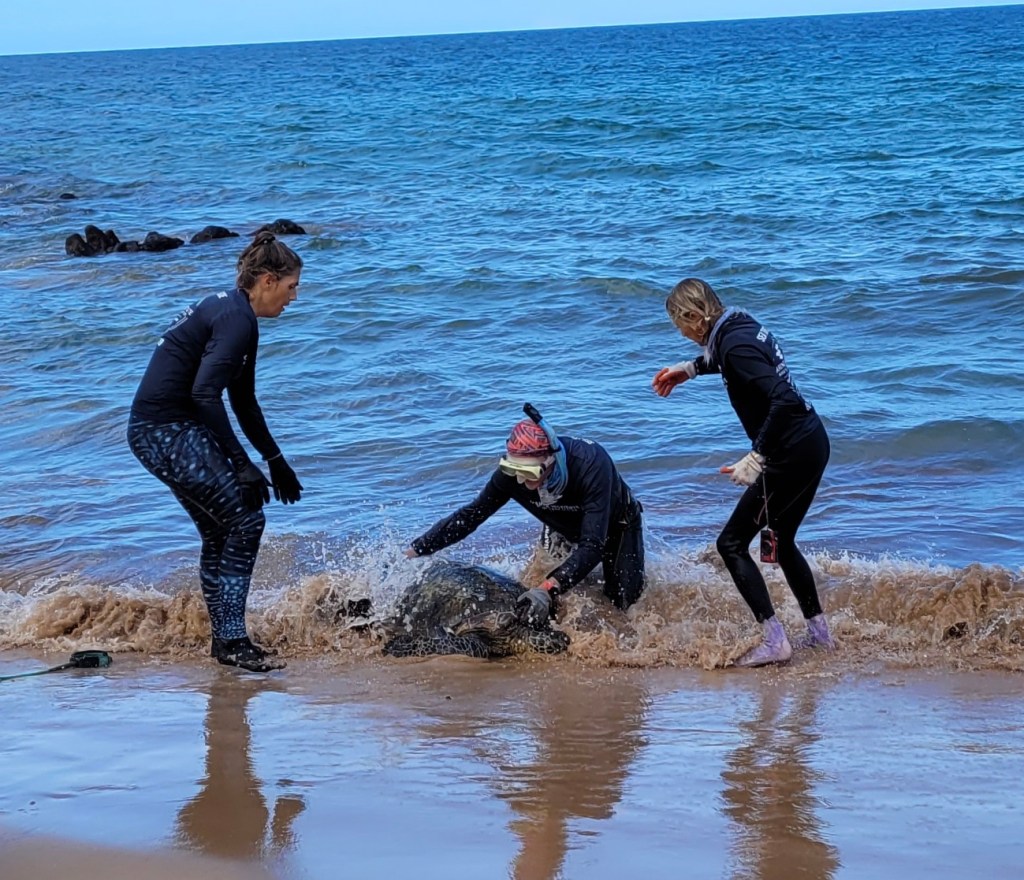
    For this first week of June, which marks the seasonal beginning of the summer season if not the astronomical, write a summer inspired poem. That is, write a poem based on whatever summer images inspire you, whether its swimming pools and car trips, camping by the lake or in the foothills, or canning tomatoes in a steamy kitchen.

    Or perhaps you are a person who prefers winter months over summer and who finds summer not so much an inspiration as something to survive. Feel free to use your discontent as fodder for your poem.

    Below is a summer inspired poem  to spark a creative flame (or a bit of malcontent) to help get you started:

    Vespers
    by Louise Glück

    In your extended absence, you permit me
    use of earth, anticipating
    some return on investment. I must report
    failure in my assignment, principally
    regarding the tomato plants.
    I think I should not be encouraged to grow
    tomatoes. Or, if I am, you should withhold
    the heavy rains, the cold nights that come
    so often here, while other regions get
    twelve weeks of summer. All this
    belongs to you: on the other hand,
    I planted the seeds, I watched the first shoots
    like wings tearing the soil, and it was my heart
    broken by the blight, the black spot so quickly
    multiplying in the rows. I doubt
    you have a heart, in our understanding of
    that term. You who do not discriminate
    between the dead and the living, who are, in consequence,
    immune to foreshadowing, you may not know
    how much terror we bear, the spotted leaf,
    the red leaves of the maple falling
    even in August, in early darkness: I am responsible
    for these vines.

    Share your poem in the comments section below.

  • Line a Day Writing Exercise

    Write one line of poetry, inspired by any images you encounter, for each day of the week. Pay special attention to those images that engage your sense of sight, smell, taste, touch and hearing. Favor tactile images over cognitive ones.

    If you like the seven lines you created at the end of the week, write another seven over the course of the following week and combine them to fashion a kind of sonnet.

  • Rondeau Poetry Prompt

    Today’s prompt comes from Frances Mayes’ “The Discovery of Poetry”

    Write a a Rondeau:

    A Rondeau is a poem consisting of fifteen lines arranged in a quintet (five-line stanza), a quatrain (four-line stanza) and a sestet (six-line stanza). The first few words of the first line act as a refrain in lines 9 and 15. These refrain lines do not rhyme, but repeating the fragments seems to imply the rest of the line, including the rhyme. The rhyme, therefore, acts invisibly. The roundeau’s usual rhyme scheme is aabba, aab Refrain. An eight-syllable line is traditional:

    Here’s an example:

    DEATH OF A VERMONT FARM WOMAN
    (Barbara Howes, 1914-)

    It is time now to go away?
    July is nearly over; hayt winter lingered; it was May
    Fattens the barn, the herds are strong
    Our old fields prosper; these long
    Green evening will keep death at bay.

    Last winter lingered; it was May
    Before a flowering lilac spray
    Barred cold for ever. I was wrong.
    Is it time now?

    Six decades vanished in a day!
    I bore four sons: one lives; they
    Were all good men; three dying young
    Was hard on us. I have looked long
    For these hills to show me where peace lay . . .
    Is it time now?

    Share your poem in the comments area below.

  • April is the Cruelest Month

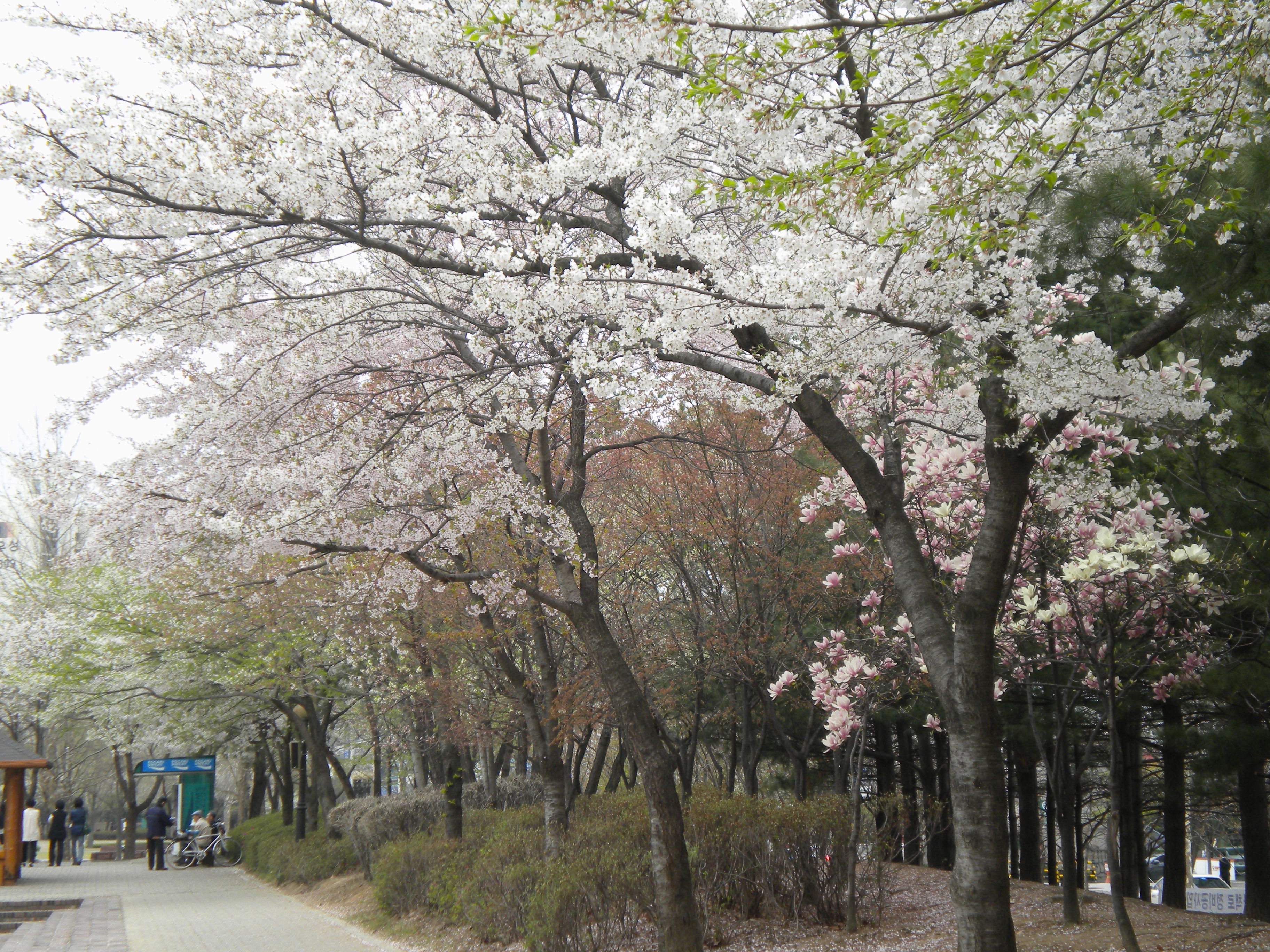
    Spring’s tumult stirs the air and moves the poet’s heart. It was T.S. Eliot who lamented:

    April is the cruelest month, breeding
    Lilacs out of the dead land, mixing
    Memory and desire, stirring
    Dull roots with spring rain.

    Centuries before Eliot’s angst Chaucer wrote this of spring:

    Whan that Aprill, with his shoures soote
    The drought of March hath perced to the roote
    and bathed every veyne in swich licour;
    of which vertu engendred is the flour

    For this week’s prompt, write the beginning, or prologue, of an imaginary epic poem that evokes the feeling and imagery of Spring. Be wildly imaginative.

  • Poetry Prompt: April Fools

    “The fool thinks himself to be wise, but the wise man knows himself to be a fool.”
    ~William Shakespeare

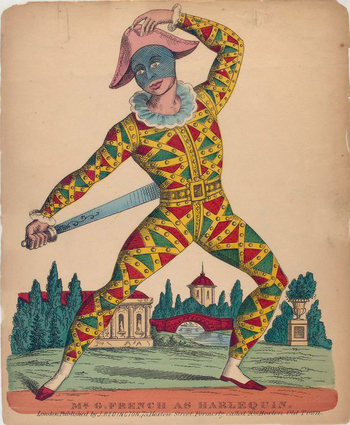
    For this the first day of April, otherwise known as April Fool’s Day, write a foolish poem. Feel free to interpret this prompt broadly. For example, perhaps for you a foolish poems suggests writing about a past foolish endeavor, a foolish game or plan, or perhaps it simply  suggests utilizing foolish language and silly words. Alternately, maybe it suggests writing about fools, and there are many of those from which to choose. There is the quintessential court jester, the fool in love, the foolish student, any number of fools (or foils) in Shakespeare’s works, even the foolish raven (fox, cat, frog…) of Aesop’s fables. If none of these strike your fancy, consider writing a poem about the origins of April Fools, which is vague enough to encourage fanciful (foolish) interpretation.