
The memory of
That which hasn’t happened yet
Haunts more than spirits.
The memory of
That which hasn’t happened yet
Haunts more than spirits.
I must believe not to move is to be more easily found.
At the vintage junk-trader’s stall, I pulled
a ribbed Fire King bowl from the bowl it nested in
and the ringing did not stop.
The market turned a maze of buzzing edges,
the flower stall’s nasturtiums jerking on their stems,
the bowl’s opalescent sheen in the air, seizure-white.
I must kneel at the door with hairpins and toothpicks, dig
the ghost fennel from the keyhole.
I carried the ringing bowl through the stalls—
husk cherries and small split plums; raw sugar and salvia,
summer squash, but never again nasturtiums—
its empty mouth a strobe-drone, leaping like halogen.
I must inscribe a circle in the dirt: market, river hills;
I must sweep the St. John’s wort from the linens.
Years I lived with a shadow stepping into my footprints—
going home took a long time, every alleyway echoing
come haunt me again.
—
Erinn Batykefer earned her MFA from the University of Wisconsin-Madison and is the author of Allegheny, Monongahela (Red Hen Press) and The Artist’s Library: A Field Guide (Coffee House Press). Her work has appeared recently in Blackbird, Lockjaw Magazine, Cincinnati Review, and FIELD, among others. She works as a librarian in Pittsburgh, Pennsylvania.
Daisy rose later in the morning each
day until she barely rose at all. Ark
was left to get his own breakfast: peanut
butter smeared on doughy bread; a pale
apple in a paper bag to take for school
lunch. He would shuffle down the slate sidewalks
parallel to the river street doing his
best to slow time and the inevitable.
After school, the return trip home and sometimes
there deposited on the couch in front of
a blurred television his mother
like a monument to a forgotten
whatever. Sometimes she would cook supper and
sometimes not. And sometimes the old neighbor
woman would stop by and say mind if I
borrow you boy for a while and then sit
him at her kitchen table and stuff him full
on greasy hamburger and potatoes
and sometimes apple pie that was not too bad.
—
Jerry Wemple is the author of three poetry collections: You Can See It from Here (winner of the Naomi Long Madgett Poetry Award), The Civil War in Baltimore, and The Artemas Poems. His poems and essays have been published in numerous journal and anthologies. He teaches in the creative writing program at Bloomsburg University of Pennsylvania.
Turn left at the first sign of progress
and follow the old highway
along the Stillwater River.
When you hear the whistle of the train,
take a right and cross the covered bridge
that leads to the rodeo grounds
where the silver-maned bronc
caused so much havoc the summer you were ten
and the ghost of your grandfather’s jeep
rests behind the bleached-out grandstand
choked with blackberries.
As you round the corner into town,
there’s a white picket fence
laced with lilacs. Walk through the gate.
You’ll see a blue and white Western Flyer
lying on its side in the middle of the sidewalk.
It will take you the rest of the way.
—
Judith Waller Carroll is the author of What You Saw and Still Remember, a runner-up for the 2017 Main Street Rag Poetry Award, The Consolation of Roses, winner of the 2015 Astounding Beauty Ruffian Press Poetry Prize, and Walking in Early September (Finishing Line Press).
We cast curses at the moon,
watch its face travel over then behind clouds,
then come to the fore
as if beckoned
when it most certainly was not.
Booze and blackberries on the front porch
and the cries of dead beasts and warriors out there.
Imagine it Hold it in your head
as you do song lyrics and prayers.
The strange scents of late nights
call us to remember our weaknesses
and the ill will we’ve encountered in others.
We talk of these things bring them closer.
And oh the madness of this porch how it dares to receive
our complaints and our compliances how it
rests under our flip-flops and naked toes how it
shifts under spilled sweet tea and dripped foam
off cans of Bud Light
Does it make you grin that I’ve said this?
So, the moon hovers and we here below
pull it over us, imagine it soft when in truth
it’s dense as a mango dum dum.
Inside, we look for rest knowing our mendacity
could pull down the stars knowing our joys
are simple masks for grudges
the way they jibe
My God The way we consume bitterness
fill our plates, pour on gravies
and sauces of fear and then
dare to sleep on that repletion.
—
Martina Reisz Newberry’s recent books: NEVER COMPLETELY AWAKE (Deerbrook Editions), and TAKE THE LONG WAY HOME (Unsolicited Press).Widely published, she was awarded residencies at Yaddo Colony for the Arts, Djerassi Colony for the Arts, and Anderson Center for Disciplinary Arts.
Martina lives in Los Angeles with her husband, Brian.
Zingara Poetry Review is celebrating National Poetry Month this April by publishing a poem every day of the month and wants YOUR submissions.
I look forward to reading your submissions. Happy National Poetry Month!
It’s time again for the annual AWP conference and dozens if not hundreds of blog posts and articles are popping up everywhere offering advice on how best to network, navigate, or otherwise survive the three-day write-a-palooza.
And for good reason.
With 20-30 panels occurring simultaneously at any given moment and hundreds of tables and booths offering all types of free swag and publishing advice during the day and dozens of on-sight and off-sight readings, signings, and parties at night (not to mention hotel room gatherings), AWP is something like a child’s wildest Christmas fantasy, provided that child is a writer who spends most of the rest of the year isolated or with her nose in a book (or grading papers).
This level of stimulation can overwhelm the new-comer and quiet-at-heart, or trigger a kind of high for the more gregarious, extroverted go-getters among us.
Which is exactly the nature of AWP. It is both exciting and overwhelming, humbling and empowering, energizing and draining, and many things in between, too, so you might as well make the kinds of choices that are meaningful to you.
Putting friends first, for example. You know, those people who comprise your literary community, both now and in the future. The ones who hold your hand when you receive a string of rejections and the ones who celebrate your successes, whatever the size, with glee? Friends who help you maintain perspective and are quick to buy you a drink when its lost? They are, after all, the reason you are here at all.
Or attending panels because their subject matter seems genuinely interesting to you, not just because you want to meet the people facilitating or presenting (unless they are your friend, of course; then attend in a show of support). It’s pretty hard to make a meaningful connection at most panels, anyway. Might as well have some integrity.
And speaking of integrity, remember to look at a person’s face before checking out their name badge. You can’t truly know how important you may become to one another until you spend time with, and get to know, one another. Choose meaningful connections over superficial.
AWP is all about over doing it, so go ahead, but remember your career is worthless without your health, so take care of yourself, too.
The best way to avoid the “post-AWP crud,” or any crud at all, is to pay attention to your limits. While it’s true you will be around a lot of germs, it is also true that you are always around a lot of germs. Becoming run-down is what allows them a chance to infiltrate and attack your weakened immune system. Stay strong. Stay healthy.
Network wisely and sustainably. Don’t take it personally because your connection looks past you when someone more famous shows up nearby. Likewise, don’t break your connection with someone just because someone you think is famous appears behind them.
And when it comes to meeting famous people, just be cool.
Also,
AWP is all about fanning ambition, making smart connections, and furthering your career. Don’t leave your heart, mind, or soul behind.
And Happy Conferencing!
Found this handy list of no-fee chapbook publishers on Trish Hopkinson’s WordPress site and wanted to share. Lot’s of other great information here, too:
 The individual listings below are the chapbook publishers I found which do not charge submission fees, reading fees, or contest fees. The majority of chapbooks are published via contests and do typically require a fee from $10 – $25. Research each market thoroughly and make sure submitting is worth the fee. Many will provide prize money along with several copies of the chapbook for you to sell and otherwise promote your work.
The Chapbook Review is a great resource for all things related to chapbooks–including listings for:
They also provide online forms to add listings to their database, including your own published chapbooks.
For information on putting together your chapbook file to print some yourself or to have them printed, click here.
To check out my online chapbooks, click here.
View original post 1,282 more words
 Milestones: School began two weeks ago on August 21st with a Monday morning College Convocation and an afternoon viewing of the eclipse from the backyard of a neighbor’s home. We spent most of the afternoon and early evening visiting with friends old and new and enjoying a variety of delicious foods. We also had the unique opportunity to observe the behavior of backyard chickens as well as a growing hive of bees. As you might guess, the chickens were just beginning to settling down to roost at totality and seemed a little confused that it was time to get back to hunting bugs only a few minutes later. The bees, only slightly befuddled, went into their hive one minute then popped back out the next.
None of the resident or neighborhood dogs seemed to notice anything different about the moment, except, perhaps, that their silly pet parents seemed awfully preoccupied with the sky.
Tuesday, August 22nd marked the first day of classes, and like many other first year writing instructors, I found my English 110 classrooms filled with eager deer-eyed students ready to prove they are ready handle a college workload (in most cases), a spirit that was dampened by Thursday afternoon when an active shooter and hostage situation developed in a restaurant near campus.
In fact, two of my students were confined to their dorms, located adjacent to the restaurant, and sent emails notifying me they would not be able to attend their 1:40 PM class. Because police contained the situation rather quickly, and it did not technically happen on campus (though we have an open campus), the president did not cancel classes, a choice that has resulted in a great deal of flack and general outcry from parents. At no point did the alert messages sent by campus security mention that there was an active shooter, only that there was an” incident” on King Street and to avoid the area.
Needless to say, with so many charged events, the first week of classes was both exciting and exhausting; busy and disheartening. Fortunately, and thankfully, the second week of classes was much closer to normal, though I fear my freshmen students are already a little worn out. As you can imagine, their parents have become extra vigilant and are demanding frequent updates.
During these same two weeks in my Intro to Poetry class, we discussed Gregory Orr’s “Four Temperaments and the Forms of Poetry” as well as completed several in-class writing prompts. Out-of-class poetry assignments have included writing an Abecedarian poem, a question poem, and a student choice poem, so my Labor Day weekend plans includes reading and responding to new poems by new poets.
Now, for this month’s digest.
August Poetry Picks:
August Monday Minutes:
and one prompt:
Monday Minutes (that I know of):
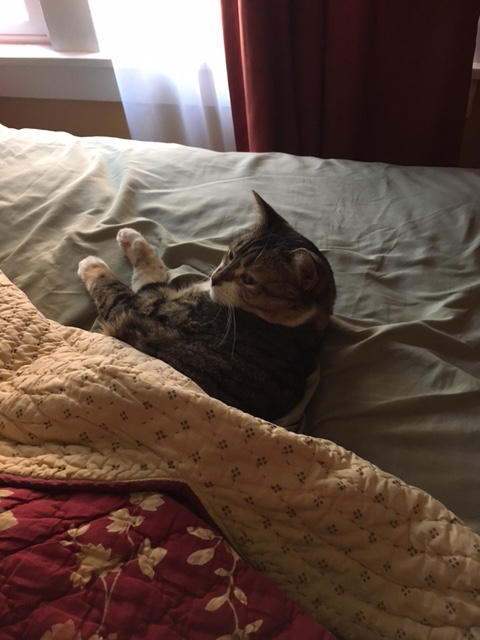
The calendar reveals a falling away of days, as does the light that changes with the earth’s slight tilt and the urgency with which cicadas call to one another.
The new semester begins soon.
Indolence is becoming sparse, time for staring out windows at a premium. Already my dreams are peppered with classroom scenarios and visions of students misunderstanding the purpose of peer review. The books in my bags and on my bedside table have transformed from fiction & poetry, a graphic novel or two, to texts and opinions on pedagogy.
These next two weeks will slip through my fingers as if I were grasping water.
I cannot keep time from fleeing, but today I will embrace the casual.
Casual as in relaxed and unconcerned, as in not regular or permanent. As in irregular.
Casual as in eating out of the refrigerator, watching old movies with bad reviews, sitting on the 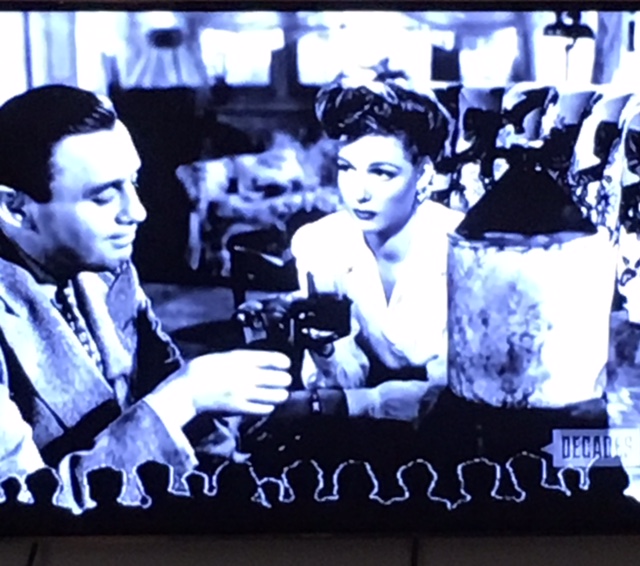 broken lawn chair on the front porch even though the weather is hot and humid, wearing pjs for most of the day.
I mean ˈkaZHo͞oəl/, as in acting without sufficient care or thoroughness, puttering around the house, starting projects and not finishing them. Mooching.
And maybe later it will mean a happenstance discovery of a good deal at the local record store (it is vinyl Saturday, after all) and grabbing a iced something from a local someplace.
Just as long as it is informal,
without style,
almost accidental.
Like writing prompts? Try one of these: Fast Friday Poetry Prompts
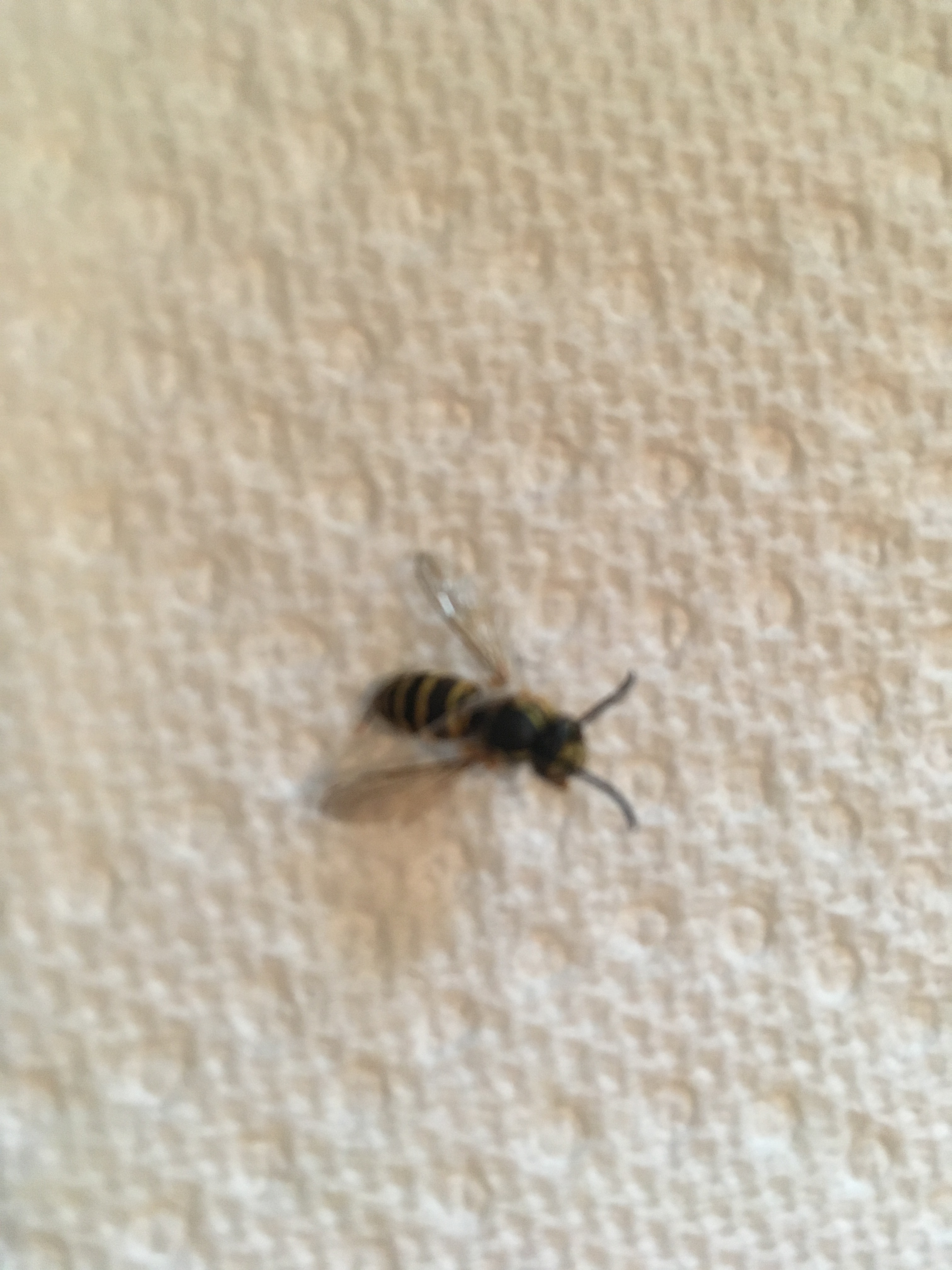 By the time this post appears, it will have been a week since the exterminator came and took care of the yellow jacket problem in my back yard.
I didn’t know the exterminator had even arrived until my husband called me around mid-morning to say he’d received an invoice for the exterminator’s services via email. My husband was in San Diego at the time, attending the Comic Con.
I was surprised because the appointment had been scheduled for 2:00 PM., and because it was raining cats and dogs when I’d left the house at around 8:20 AM. I was attending a conference in town.
Of course, it makes much more sense to extract a wasp’s nest first thing in the morning. That’s when the nest is most occupied by wasps.
I just hadn’t thought of it.
Still, I was in doubt. I couldn’t fathom that the heavy rain and wet conditions wouldn’t interfere with the extermination. Honestly, I half-expected the phone call was to cancel.
But my husband confirmed that, yes, according to the exterminator, the wasps had in fact been “augmented” from the yard. It was a sizable nest, my husband quoted the exterminator as saying, probably 500 wasps or more. There is a chance that a few are still buzzing around looking for their home, but they won’t last long without their nest,” my husband continued.
Something about this last observation made me feel cold-hearted.
I’m not confessing a secret love for yellow jackets here, or anything like that, but I have to admit to experiencing some residual feelings of guilt over creating a situation that caused the death of hundreds of innocent creatures. Those yellow jackets were, after all, only behaving as yellow jackets do: making and protecting their home, creating more yellow jackets, and generally building an existence.
It just so happened that their existence was interfering greatly with ours.
Specifically, they made it impossible to mow the yard, first by attacking my husband when tried 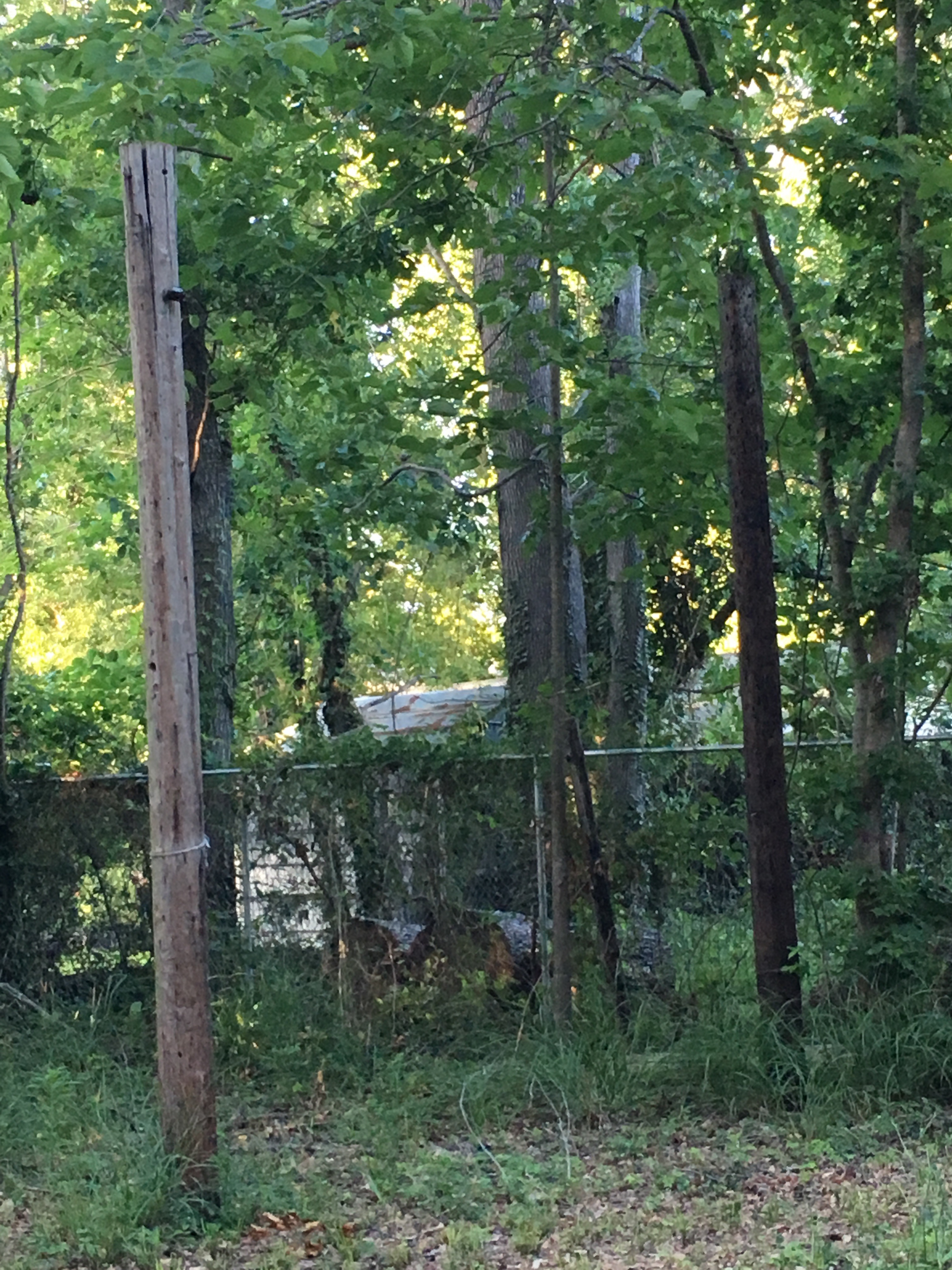 mowing the back yard before we left town, then attacking a friend, who tried to mow just the front yard while we were gone.
They simply had to go.
Still, I couldn’t help imagining those few surviving wasps, stunned and confused, hovering around the hole in the ground that was once their nest. Couldn’t help but sense their groundlessness.
Such are the thoughts of a writer.
But then I realized that, since the extermination had been taken care of, my afternoon was free.I felt cheered, then, and shifted my thoughts to how to spend the rest of my day.
And this, dear reader, is precisely the moment that the demons of indecision appeared.
A virtual drop-down list of options, including everything from doing homework for the conference to editing my manuscript, finishing a quilt I’ve been sewing to taking a nap with the cat, to going to the gym or staying on campus to work on my syllabus, all popped into my mind.
Good options, all. But together, potentially overwhelming.
Especially since I am apt to paralyze myself with indecision in these moments. I mean, just making the decision to eat out, for example, can evolve into a mental debate of what and where to eat.
Choosing to write opens an even wider array of menu options: should I write poetry or prose, something formal or informal, personal, creative or academic? Should I write something new or revise something old? Should I catch up my correspondence by sending cards or composing emails?
Really, the list is endless.
The point is, I tend to put too much pressure on myself when it comes to decisions. I feel I must make the absolute best decision and fear that making the “wrong” decision will result in drastic, long-lasting consequences which I neither wanted nor intended.
Even though this has never happened.
Still, it is true that no matter what I choose to do, I am choosing NOT to do a whole host of other things. If I write, I am not exercising. If I do homework, I am not working on my poetry manuscript. If I work on my blog at Starbucks, I am not working on my quilt at home.
And of course, making no decision at all is a decision in itself.
So it is that with every choice I make, I feel a little bit of grief and a smidgen of sorrow. Like those stunned wasps unhoused by the exterminator, my unchosen options hang around searching for a home – a place into which to burrow and build an existence.
But such are the thoughts of a writer.
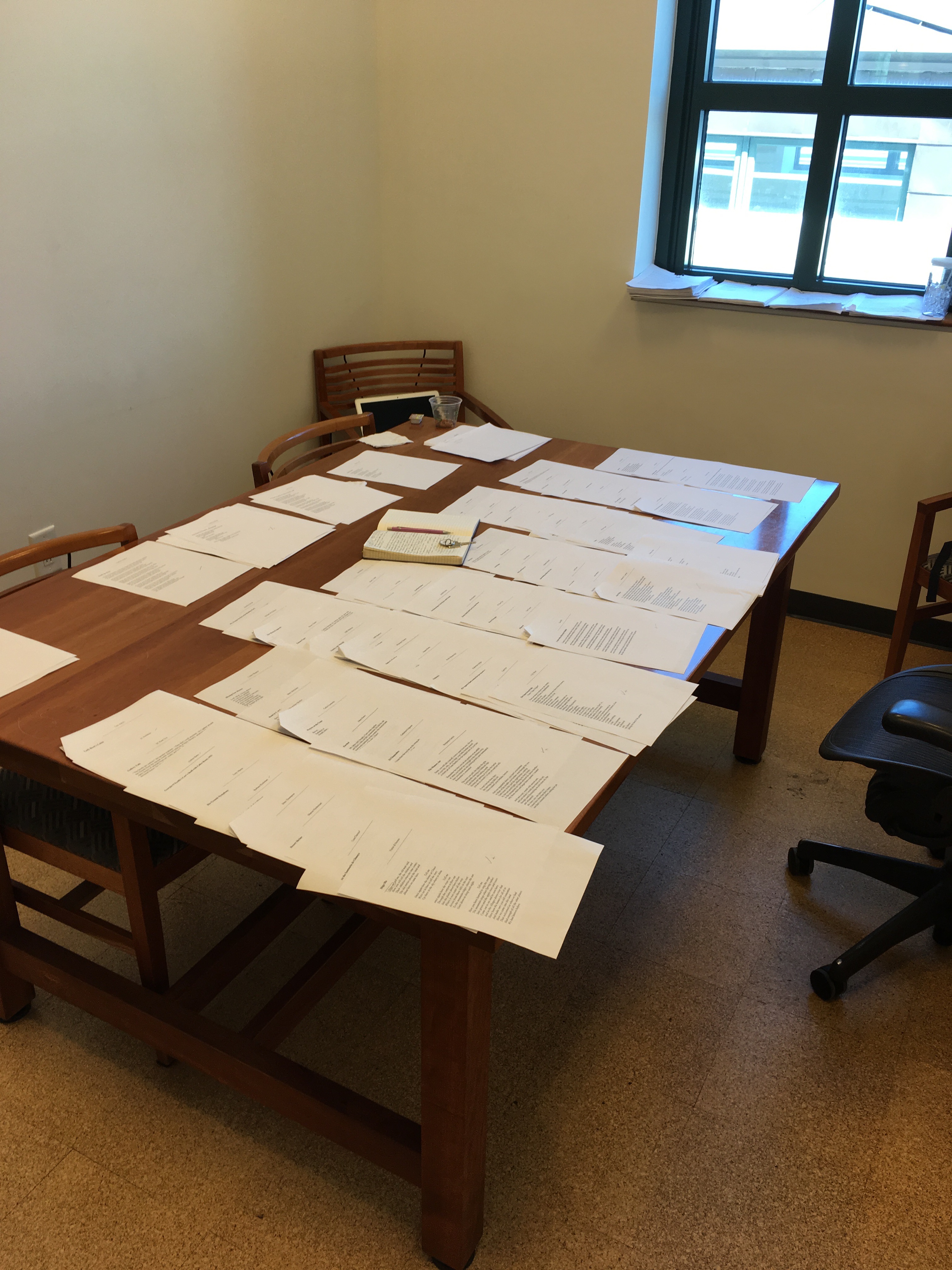 This summer, I have been availing myself of the use of the College of Charleston’s Addlestone Library’s study rooms to focus on several writing projects.
This is the first summer that the library has offered reserved study rooms to faculty, and it all came about in response to popular demand and the advocacy of the Faculty Writer’s Retreat facilitator, Lynn Cherry.
The retreat itself, held during most school breaks, is quite a boon and one that I participate in every chance I get, which has been four times thus far. Unlike a writing conference, which usually involves craft lectures, panels, readings, seminars, and, perhaps, workshops, the College of Charleston’s Faculty Writers Retreat simply provides a distraction-free study room, daily lunches, afternoon snacks, and a sense of accountability. Faculty can apply for a 2, 3, or 5-day stint and available spots fill quickly. Participants agree that they will not use the time to prep for classes, grade or browse social media. Most everyone finds they get a lot done during their selected time period, and even when there are struggles or blocks, most faculty are glad to have had the time to deal with those, too, as it actually helps them move forward.
Though I come away from the Faculty Writer’s Retreat with a different kind of same kind of high that a conference might generate, I always come away feeling productive, and centered and with plenty of evidence of my hard work. The difference is subtle but important.
This year, after a number of participants expressed just how useful it was having access to a study room, myself included, the retreat facilitator inquired into the matter on our behalf. Thanks to her initiative the good folks at Addlestone agreed to set aside three rooms for faculty to reserve for up to three days at a time during any given week this summer, up until the week that classes begin.
And I have been in one of them every week that I’ve been in town.
The first several weeks of the summer I worked almost entirely on the New Mexico Poem anthology, since that was my focus during the retreat in May, and more or less wallowed in rereading every contribution and reconsidering the organization and title of the sections. What I found interesting about the process was how I paired some of the same poems together in the revision as I had paired in the first collection, which I discovered after reviewing both manuscripts. In other instances, and maybe because of the new section titles and focus, poems wound up in very different locations.
I’m sure I’ve spent over 100 hours reconsidering the collection in detail, not including the breaks I took to remain as fresh and as objective as possible. It’s no lie that being hungry, angry, lonely, or tired will drastically affect one’s judgment, so I made sure not to deliberate while experiencing any of those states.
I sent the manuscript off to my co-editor in mid-June, right before taking off for Kansas City to visit family. As is usually the case, I found it very difficult to shift my mental state from contemplating poetry to focusing on family for those few days but finally let go and shifted my focus to the present moment and to enjoying my time away from Charleston. Now that I have returned home, the opposite is more true and I struggle to ease myself back into a life groove.
To help with my re-entry, and in the spirit of easy does it, I “suited up and showed up” to my 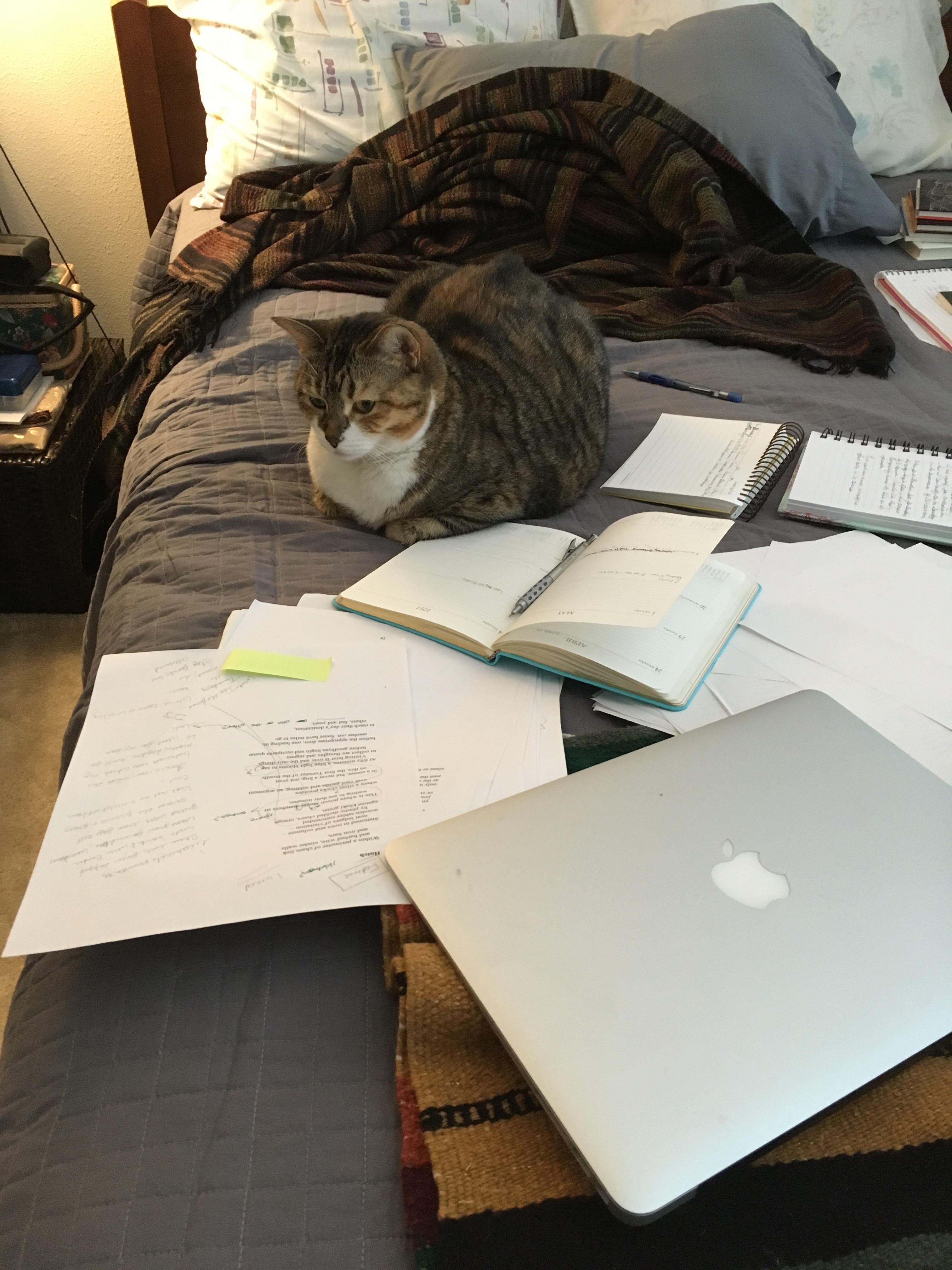 reserved study room on Wednesday, after three weeks away, determined to work on something. I set no specific goal or objective – just brought with me a hard copy of my own manuscript and my computer. After getting settled in, I was able to revise a few poems, rearrange my MS into sections, and, eventually, assemble and submit a six-page manuscript for a literary magazine In which I would very much like to have my poems appear. I think the day was more productive than it would have been had I fallen into either of the two habits that are most common to me: 1) overwhelm myself with a list of a dozen possible projects on which I might focus, or 2) frustrate myself with an improbable goal. It is much better, I am learning, to have an open mind as I approach one small project at a time.
I did wind up canceling my Thursday study room reservation, however, to meet with an exterminator regarding the Yellow Jackets that have taken residence in my yard, most likely as a result of our neglecting yard work those seven months we were living in an apartment while repairs were being made to the house after Hurricane Matthew. (Yes, I can find a way to drop that bit of info into most conversations.) Yellow Jackets, I decided, are just a little more pressing than having a study room for the afternoon.
The week ahead is a busy one. I am to attend a Writing Across the Curriculum conference and have about a half-dozen appointments to see to. I was tempted to cancel my study room reservations for the week, seeing how I will only get a few hours here and there to utilize the space, but decided against it, for when things are especially busy it is especially important to hold space open for my writing. I may not get as much time as I would prefer, but any time I do capture will go under the column for successes this week.
The obvious is difficult to prove
in a room with ceilings high enough
for giants to unstoop, where glass doors
introduce a garden plot of chickweed
and empty pots. Upstairs a piano
plays all day, plinking made-up melodies
like a drunk weaving patterns
in a Sunday parking lot. Sometimes
the songs are funereal, marching
the dead on bright white keys. I never
see the player, never slip past
in narrow veins of hallways. He works
nights, sleeps days on the hardwood floor
above my head. It’s the nights that take
their toll, the tireless jangle
of window fans, babies crying
as if they know their mothers moan
in the deep sleep some lover’s arms.
Jim Zola has worked in a warehouse, as a security guard, in a bookstore, as a teacher for Deaf children, as a toy designer for Fisher Price, and currently as a children’s librarian. Published in many journals through the years, his publications include a chapbook — The One Hundred Bones of Weather (Blue Pitcher Press) — and a full length poetry collection — What Glorious Possibilities (Aldrich Press). He currently lives in Greensboro, NC
Enjoy more poems at Zingara Poetry Picks
Stuck in a corkboard,
all sightings get categorized—
Red: Definite
Blue: Possible
Yellow: Probable
Orange: Unlikely
A 3-D connect-the-dots journey
between bushes in Brussels
under azaleas in Iceland
among marigolds in Massachusetts
through paved paths in Puerto Rico
behind vines in Bellvue
around weeds in West Germany.
Reports come in rapid at sunrise
when the light excites and surprises—
three or four skittering across lawns and behind
old dog houses, their voices louder than
you’d think, if that’s that kind of thing
you think about.
They shout Make Way! Hold Back!
They move in scattered variety,
hurry to their places to
complement the poppies
accent the petunias
uphold the underbrush
with a wink, with a wish.
The big board tracks all the movement,
an attempt to capture magic
on the head of a pin.
Christina M. Rau is the author of the poetry chapbooks WakeBreatheMove (Finishing Line Press, 2015) and For The Girls, I (Dancing Girl Press, 2014). Founder of Poets In Nassau, a reading circuit on Long Island, NY, her poetry has appeared on gallery walls in The Ekphrastic Poster Show, on car magnets for The Living Poetry Project, and most recently in the journals Amethyst Arsenic and Better Than Starbucks. In her non-writing life, she practices yoga occasionally and line dances on other occasions. www.christinamrau.com

 The Zingara Project