Author: Lisa Hase-Jackson

  • The Magic of Spring: Celebrating Art, Literature, and Community

    The Magic of Spring: Celebrating Art, Literature, and Community

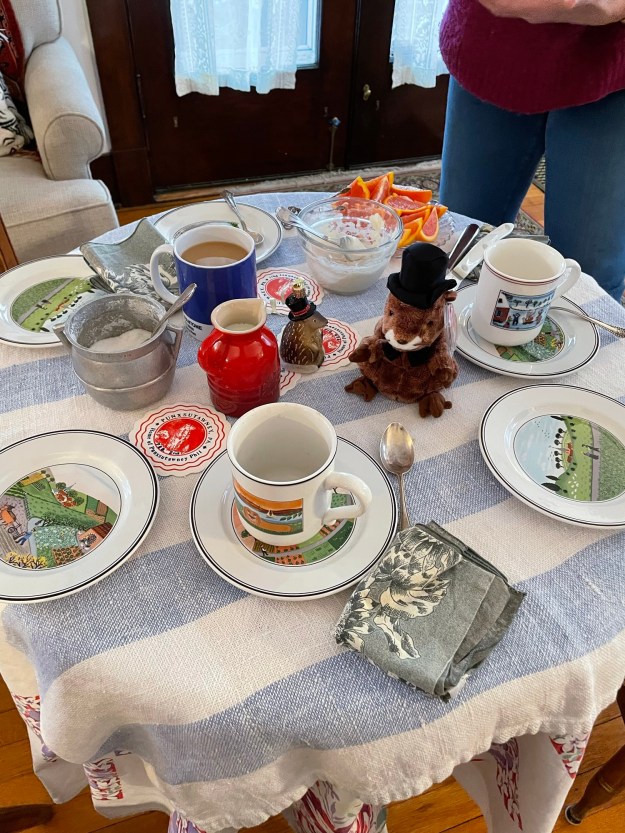
    Hosting breakfast for friends Sunday before St. Patrick’s: It’s been a long time since I had such easy, compatible, generous, and gracious friends to spend my time with. For breakfast, my husband and I made fruit salad, quiche (and failed Irish Soda Bread) and our guests brought flowers, loose leaf tea from Abeille Voyante Tea Co., sweet and savory pastries, and homemade short bread cookies. A perfect way to begin the week.


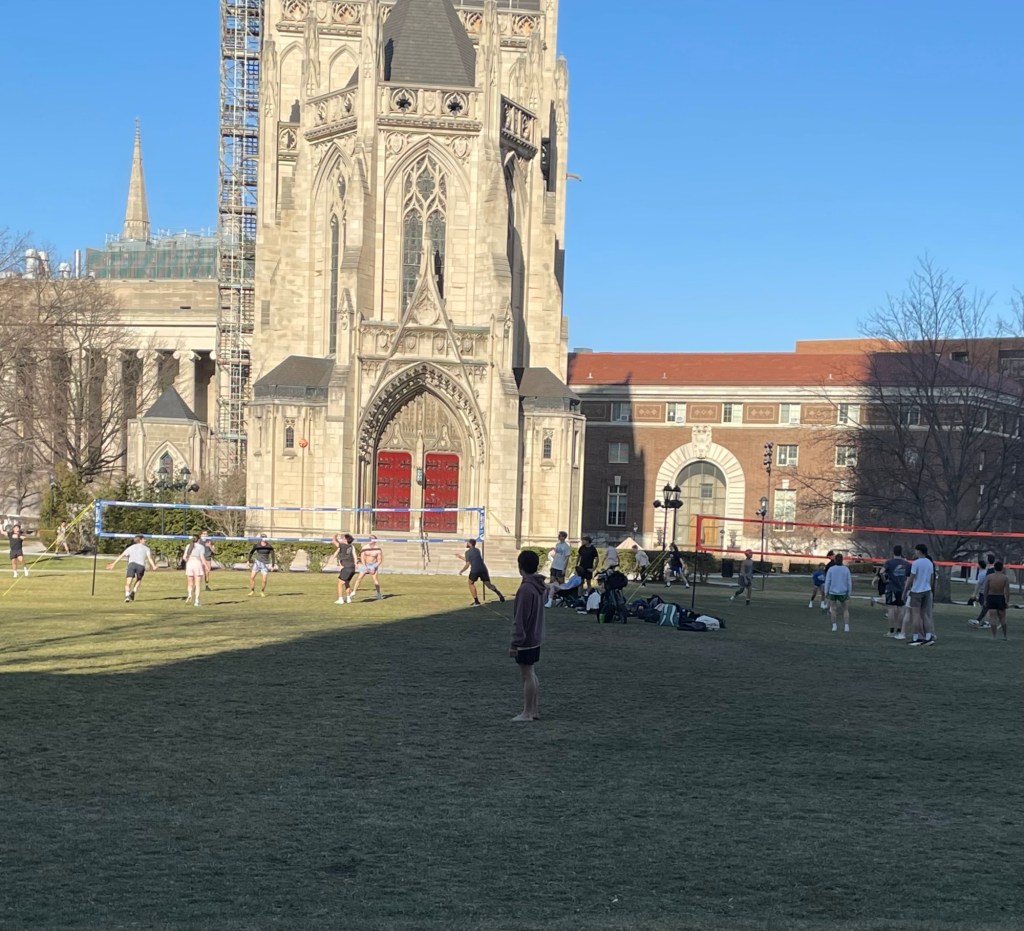
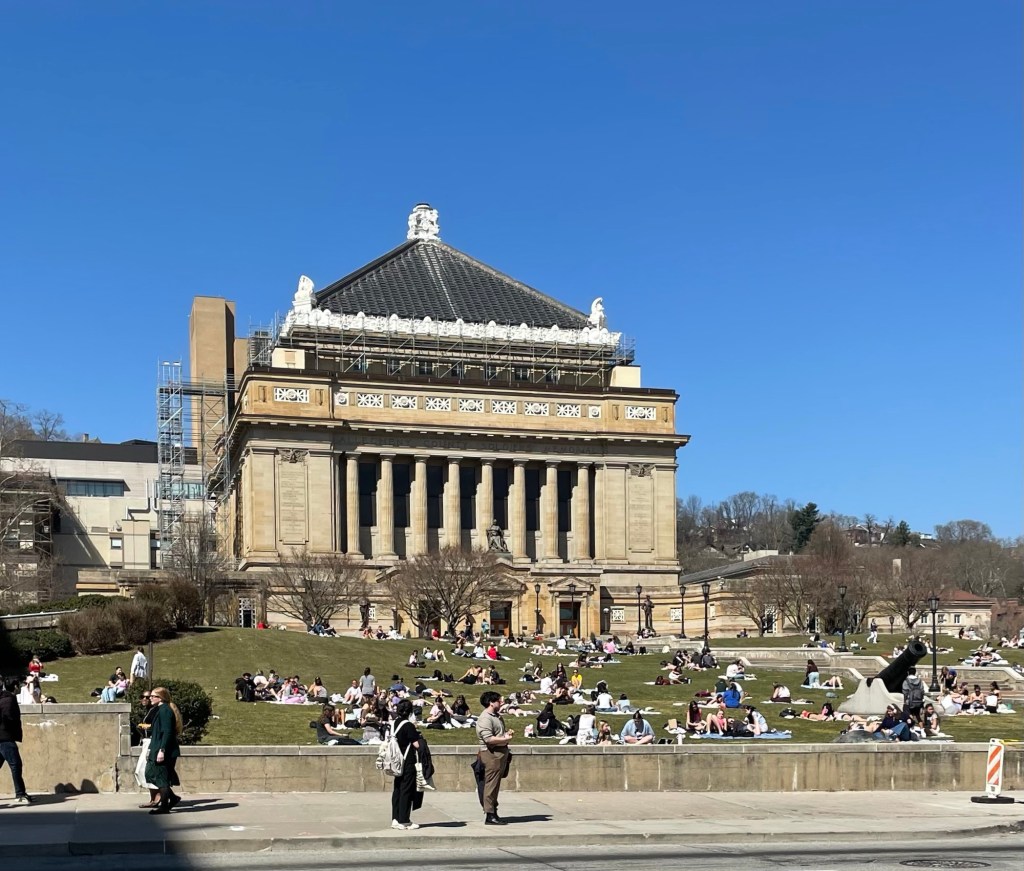
    Spring day on campus after an extra cold, snowy winter that wouldn’t let go. Students spread out their blankets in the sun all across campus, picnicked, read, studied and played volley ball lending a festive air to the afternoon. Too bad the nice weather didn’t linger longer. Even so, spring is near.


    The return of astronauts Suni Williams and Butch Wilmore, whose extended time in space was both impressive and anxiety provoking. Splashing down off the Gulf Coast of Florida March 18, they have been busy with their 45 day recovery process involving myriad measurements, tests, and re-acclimation to earth’s atmosphere. According to BBC, dolphins surrounded the Dragon space capsule after the splashdown making for a magical homecoming.


    Release of Sunrise on the Reaping, prequel to the Hunger Games trilogy by Suzanne Collins. I’d forgotten all about it’s forthcoming release until announced earlier this month. Regardless of literary merit, I enjoyed reading the original trilogy and relished the movie adaptations, which, in this case, were as good if not better than the books (rare as that is), at least in my opinion. It may not be exactly the escape I am looking for, but timely and relatable nonetheless. First I need to finish reading the half-dozen books in progress laying open in various rooms of my house!


    Madama Butterfly at Benedum Center, Pittsburgh. A groundbreaking new production created by an all Japanese and Japanese American creative team, Madama Butterfly’s story is transported to a fantastical realm where reality and dreams intersect. The production and performance were simply PHENOMENAL, and I can’t recommend it enough (except that March 30 is the last performance). I sat in for pre-performance opera notes for extra insight into decisions made around updating the story and cultural representation for the 21st century. This adaptation has a a surprise ending, which I would never reveal here. After many, MANY years of absence from professionally produced opera, this experience was like an oasis in the desert of my soul.

    img_7334

    Preparing for National Poetry Month: After several years navigating hurricanes, a pandemic, several job changes, and working on a competing project, Zingara Poetry Review is coming out of hiatus with a poetry prompt every day in April for National Poetry Month. Poets are invited to write a poem in response to as many or as few prompts as they like over the course of the month. Then, beginning June 1, Zingara Poetry Review will open for submissions for poems inspired by one of the prompts offered in April. Submissions may be overtly related to a prompt, or have only a thread of connection. If you wrote a poem in response to a prompt and threw out all but one line during revision, that counts.So come back each day in April for a new poetry prompt, spend some time in May revising your best drafts, and send 1-2 poems our way beginning in June.

  • Poem a Day Challenge in April

    Poem a Day Challenge in April

    The Zingara Project /Zingara Poetry Review is celebrating the end of its hiatus with a poetry prompt every day in April for National Poetry Month.

    Writers are invited to write in response to as many or as few prompts as they like over the course of the month.

    Beginning June 1, Zingara Poetry Review will open for submissions for poems inspired by one of the poetry prompts offered in April.

    Submissions may be overtly related to a prompt, or have only a thread of connection. If you wrote a poem in response to a prompt and threw out all but one line during revision, that counts.

    So come back each day in April for a new poetry prompt, spend some time in May revising your best drafts, and send 1-2 poems our way beginning in June.

    Full submission guidelines and instructions will be posted on June 1.

  • Not Your Average Hopscotch

    A kiddo’s labor of love and the best three minutes of my morning walk.

    Remember when you could easily lose yourself like that on a project?

  • WordPress Hosted Literary Journals accepting submissions

    WordPress Hosted Literary Journals accepting submissions

    This list is regularly monitored and updated, so come back often to see what’s been added.

    Burning House Press: Burning House Press is born from a community arts ethos and focus. We seek to cultivate spaces where people feel safe and encouraged to explore and express their creativity. We hold a belief in the power of creativity, and share a faith in the fundamental connectivity of all peoples, especially as expressed through the commonality and community of multi-disciplinary arts. We believe that capitalism and its attendant profit culture is a public health issue, affecting us all on the level of our mental, emotional, spiritual and physical health and well-being.

    Dogwood: A Journal of Poetry and Prose: An annual national literary journal seeking works from writers during its fall reading period each year. We publish fiction, poetry, and creative nonfiction of both contest winners and other writers in May of each year. The literary journal is produced by the faculty in the Department of English at Fairfield University, and Fairfield undergraduate students gain hands-on experience in helping to edit and produce the journal by taking EN 340: The World of Publishing or The World of Publishing II.

    Eyes+ Words: Words have immense power and, when used responsibly, can help shape the world in hopes to make a better tomorrow. Let’s come together and share a story or two. Please feel free to share your original poetry/stories and we will gladly post them on our website, full credit will be given. Email us: EyesPlusWords@gmail.com

    Gulf Stream Literary Magazine: Publishing emerging and established writers of exceptional fiction, nonfiction and poetry since 1989. We also publish interviews and book reviews. Past contributors include Sherman Alexie, Steve Almond, Jan Beatty, Lee Martin, Robert Wrigley, Dennis Lehane, Liz Robbins, Stuart Dybek, David Kirby, Ann Hood, Ha Jin, B.H. Fairchild, Naomi Shihab Nye, F. Daniel Rzicznek, and Connie May Fowler. Gulf Stream Magazine is supported by the Creative Writing Program at Florida International University in Miami, Florida.

    Little Patuxent Review: Little Patuxent Review is a community-based publication focused on writers and artists from the Mid-Atlantic region, but all excellent work originating in the United States will be considered.Although our issues are organized around themes, we allow considerable leeway in how contributors interpret them in order to ensure access to the broadest range of high-quality work.

    The Mantle: Founded in 2017, The Mantle Poetry is an online quarterly journal dedicated to contemporary poetry. We’ll publish the most memorable poems we receive. When the time comes, we’ll nominate for Best of the Net and the Pushcart Prize.

    Naugatuk River Review: What NRR is looking for are poems that tell a story, or have a strong sense of story. They can be stories of a moment or an experience, and can be personal, fictional or historical. A good narrative poem that would work for our journal has a compressed narrative, and we prefer poems that take up two pages or less of the journal (50 lines max). We are looking above all for poems that are well-crafted, have an excellent lyric quality and contain a strong emotional core. Any style of poem is considered, including prose poems. Poems with very long lines don’t fit well in the format. Hope this helps

    Panoply, A Literary Zine: Join us for a wide-ranging and impressive array of writing

    Peacock Journal: strives to publish beautiful creative works. Please read the guidelines below carefully before you submit work (and please note our “Alice’s Restaurant” Rule).

    Prosetrics, pronounced as “Pro-zet-ricks,” is an independent publication based in Amsterdam, Netherlands. It was created with aspiring poets, writers, artists, and photographers in mind. This effort is for the talented people out there who are looking for a place to display their work, and we aim to publish new talent. “Prosetrics” is a combination of prose and poetry in its matrix. In other words, Prosetrics is a prose, art, and photography matrix created by extremely outstanding poets, authors, artists, and photographers around the world.

    QuillsEdge Press: A small (yet mighty) non-profit press dedicated to publishing the poetry of womxn and non-binary femmes who are at least 40 years old. Please browse our available books and support the indispensable poetry we’re proud to be publishing. We are committed to equity in publishing, and honor the voices of womxn who are members of historically underrepresented groups.

    Third Wednesday began as a monthly writers’ workshop for poets meeting at an Ann Arbor bookstore every third Wednesday. While another literary anthology might seem unnecessary, we believe it’s vital to publish contemporary creative work. Third Wednesday offers writers and artists another opportunity to see their work in print. Our initial focus was publishing compelling poetry, but we’ve expanded to include short fiction and artwork to reach more contributors and satisfy readers’ creative appetites.

    Vox Populi A curated webspace for Poetry, Politics, and Nature reaching over 20,000 subscribers each day and featuring over 8,000 archived posts.

  • St. Patrick’s Breakfast with Friends and Soda Bread

    I invited a few friends over for a casual breakfast the Sunday before St. Patrick’s day.

    We’ve been meeting for occasional breakfasts ever since Groundhog’s Day, 2025 to enjoy coffee, tea, homemade goodies and to talk ourselves off the precarious ledge that is American politics these days.

    We’ve come to call these informal unintentional semi-regular meetings our “Breakfast Club.”

    For this week’s Breakfast Club, I felt motivated to make something I’ve always wanted to make but always forget to: Irish Soda Bread.

    Irish Soda Bread became popular in Ireland when baking soda was introduced to the UK sometime during the potato famine, a time when yeast was hard to come by. Baking soda provided a satisfactory alternative to yeast for raising bread and quickly became a necessity, and the new active ingredient to use in this affordable bread recipe.

    When looking up recipes for, and the history behind, soda bread, I ran across a website dedicated to the preservation of Irish Soda Bread–The Society for the Preservation of Irish Soda Bread–which provides a plethora of information about Irish Soda Bread that any baker, history buff, or Hibernophile (a person fond of Irish culture, Irish language, and Ireland in general) would enjoy. According to The Society:

    A distinguishing feature of Baking Soda (Bread Soda) is its ability to work on soft wheat flour, a preference that persisted despite other parts of Britain favoring hard wheat flour and moving away from quick breads. In 1908, a significant portion of Ireland’s flour, especially in Belfast and Dublin, was soft wheat imported from the United States. This enduring link across the sea solidified the connection between Ireland and Soda Bread.

    The site also features recipes for Traditional Irish Brown Bread, Farls (Potato Cakes), and variations on the traditional Irish Soda Bread recipe.

    I used the basic traditional recipe from their website for Sunday’s Irish Soda Bread, which lists flour, baking soda, salt, and buttermilk as its ingredients, consistent with other soda bread recipes I found on the internet–and since all the soda bread I’ve ever eaten had raisins–I added those as well.

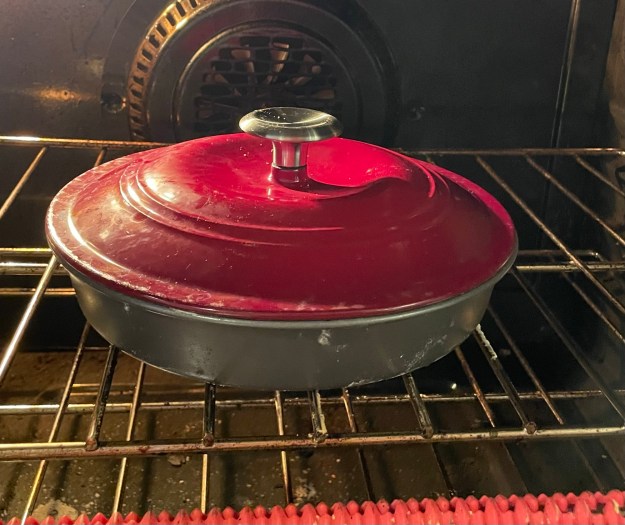
    A couple of recipe notes I feel are important here are to use pastry flour, not bread or self-rising flour, and to bake the bread covered with a lid or inverted pan on top for the first 30 minutes. This is to emulate a Bastible pot, an all-purpose cast iron pot used for most cooking in the early 19th century. I actually used the a lid from our knock-off Le Cruset dutch oven, and it seemed to work well.

    After the initial 30 minutes, instructions are to remove the lid and bake for another 15 minutes.

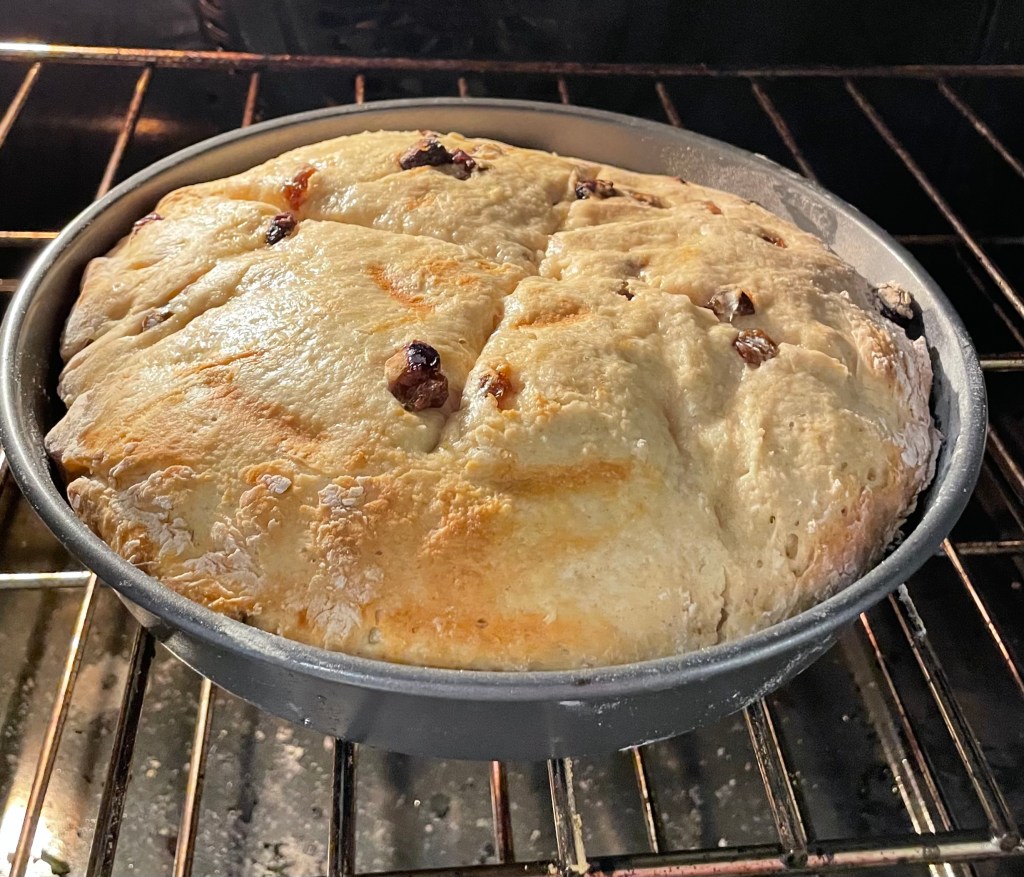
    As per the instructions, I removed the lid at the appropriate time and put the bread back in the oven, though it looked pretty done to me. In hindsight, I wish I had taken the bread out at that point, or at least only baked it for another 5 or so minutes. Those last 15 minutes browned it up a little too much and created a much crustier crust than I anticipated.

    Another note not mentioned above: soda bread really should be consumed the same day it is made.

    I thought it’d be okay to leave it overnight covered with a tea towel sprinkled with water. I mean, I’d be serving it within 24 hours, right, the exact length of a day? But by the morning the crust had become so hard that it was impossible to cut even with a bread knife. I broke it apart with my hands instead to get at the inside, which wasn’t bad, just, you know, over baked.

    The soda bread I used to order with my Beef and Guinness stew at an Irish Pub near my West Ashley home in Charleston, SC, and which I was hoping to create with this experiment, was much lighter than this bread, and seemed to have a subtle sweetness, too, so I’ll have to either find a recipe for a sweeter bread or make adjustments to the recipe I have.

    My guests politely tried my super crusty Irish Soda Bread but the fruit and yogurt salad I’d made that morning was more popular, as was the deep dish broccoli and cheddar quiche my husband had graciously made for us. In addition, my guests each brought delicious baked goodies to share making our breakfast nothing short of a feast–nay–an embarrassment of riches.

  • Seeking Hope

    I want to write a post about hope today.

    About how it is different, but related to, expectation, and of how difficult it is to keep.

    Of how I’m often not sure what hope is and often feel as if I have none.

    And of how Emily Dickinson’s poem “hope is the thing with feathers” sometimes restores me in those moments when hope feels the most nebulous:

    Hope is the thing with feathers
    That perches in the soul
    And sings the tune without the words
    And never stops at all,

    And sweetest in the gale is heard;
    And sore must be the storm
    That could abash the little bird
    That kept so many warm.

    I’ve heard it in the chillest land
    And on the strangest sea;
    Yet, never, in extremity
    It asked a crumb of me.

    Ah, the salve of poetry on the soul. Words strung in a certain and deliberate manner creating a feeling of centeredness amid confusion and chaos.

    Dickinson’s couching an abstract idea like hope within the apt imagery of “feathers” and “tune,” “storm” and “chillest land” is, of course, why her poetry has withstood time and fashion to resonate with readers today.

    And there are no more fitting or contemporaneous events than those which took place in Charlottesville, VA this past weekend to prompt contemplation on the subject again. To ask, what does hope stands for?

    Not unlike Dickinson’s bird, I see hope as fleeting, at best, and while it may in fact sing a tune somewhere beyond the wind and clouds of whatever storm is blowing through life at the moment, I am generally too busy dodging rain drops and lightning to think about it, much less hear it. 

    I guess all that running around is a necessary function of survival. The ego keeping me from doing something stupid during a downpour that might get me killed. The fight or flight response to a life-threatening situation helping me to survive that situation.

    There was a time I rather liked the excitement and danger of running around in storms. These days, though, I generally prefer to stay out of the wind and rain, if given the choice.

    But since I am speaking in metaphor, the kinds of storms I really mean don’t stop just because I’m inside, and they certainly don’t care what my past may have taught me about surviving,

    Or loving.

    Or hoping.

    And they almost always require that I leave the comforts of home.

    Other times, it’s just a big old-shit storm.

    I mean, something ugly and racist, hateful and riotous. Something that gains frenzied, savage energy with every violent projection and slur. Something that thrives in the absence of rational thought and perpetuates fear with architectural precision.

    The kind of storm expressly designed to extinguish the hope Dickinson envisions, the kind of hope I choose to believe in.

    I don’t know where that little bird may be right now, maybe off singing its tune as Dickinson suggests. Maybe beyond the clouds, maybe even over a rainbow.

    But for now, I’ve grabbed a pair binoculars.

    For now, I’m watching out.

  • Literary Journals Seeking Work from Undergraduate Students updated for 2025

    Literary Journals Seeking Work from Undergraduate Students updated for 2025

    Please read and research potential submission opportunities to see if your work is a good fit and that the journal or contest is reliable and reputable.

    30 North Literary Review: 30 North is one of the few nationwide undergraduate literary journals in the country. We are dedicated to publishing the finest in undergraduate poetry, fiction, non-fiction, and artwork in our annual print journal. We also publish author interviews and reviews of contemporary literature conducted and written by our staff on our website.

    The Albion Review: a national literary journal based out of Albion College in Albion, Michigan. Published annually since 2004, The Review features works of short fiction, poetry, creative nonfiction, and visual art. The Albion Review strives to showcase the work of emerging undergraduate talents.

    The Allegheny Review: in print since 1983, is the oldest national undergraduate literary magazine in the United States dedicated exclusively to undergraduate works of poetry, fiction, creative nonfiction. Published annually, the periodical showcases some of the best literature the nation’s undergraduates have to offer. The magazine is and always has been edited and produced by students at Allegheny College.

    ANGLES (St. John FISHER University, Rochester, NY): a magazine that publishes brief prose and poetry that reveals distinct and important perspectives on ourselves and our world. We seek fresh, urgent writing that cares about language and pays close attention to it, that uses form and structure purposefully, and that isn’t afraid to take risks. We value traditions but are keen on challenging them. As a publication edited by undergraduates, we value and prioritize college-aged voices with distinct perspectives, and take pride in being among a writer’s first publications. 

    Applause Journal: A national annual literary journal devoted to the advancement of undergraduate work on the national stage; publishes fiction, nonfiction, poetry, art, photography.

    Aster Lit: an international youth literary community founded by young writers who met during the Between the Lines: Peace and the Writing Experience 2020 program at the University of Iowa. As a nonprofit organization, our mission is to empower and connect youth ages 13-25 from around the world through creative writing. We’re excited to continue expanding our constellation of voices.

    The Blue Route: an online undergraduate literary journal run by students and faculty from Widener University. We publish short fiction, poetry, and creative nonfiction written by undergraduate writers from any school other than our own.  There is a great deal of emerging talent in the undergraduate population, and we aim to showcase that talent in our journal. We pay our contributors $25 upon publication, and work hard to provide our contributors with a professional publication experience.

    The Chimes (Shorter University): accepts submissions from students, faculty, and alumni of Shorter University, as well as from undergraduate students enrolled at any college or university. All submissions must be original; plagiarism, whether accidental or purposeful, is unacceptable. The Chimes, having been part of Shorter University’s history for over 130 years, holds to the values upheld by the University. We withhold the right to reject any pieces submitted for publication that do not fit with the University’s mission (“Transforming Lives Through Christ”);

    Collision Literary Magazine: dedicated to publishing well-crafted, previously unpublished undergraduate work. It encourages experimentation in form and structure, whether in poetry, creative nonfiction, fiction, or art. Attention to character and language is preferred in writing, and vignettes are always welcome. Our only preference for art is that it be publishable in static, two-dimensional form.

    Différance Magazine: an online literary platform that publishes young writers of all ages (up to 30 years old) and backgrounds. We request First World Electronic Serial Rights and Non-Exclusive Archival Rights for submitted pieces, which will revert back to the submitter after publication. We open submissions and publish issues on a rolling basis, with preferred deadlines listed.

    Green Blotter: published annually by the Green Blotter Literary Society of Lebanon Valley College in Annville, PA, and features poetry, fiction, creative nonfiction, and art submitted by undergraduate student writers everywhere. Our mission is to provide a much-needed platform for undergraduate creative writers and artists and to foster outstanding work in each of the genres we publish.

    King’s River Review: Based out of Reedley College, California, publishing artwork, creative nonfiction, short fiction, and poetry of community college students from across the country and featuring a Reedley College writer and artist in each edition.

    Mistake House: Based out of Principia College, Illinois, this annual online publication accepts fiction, poetry, works in translation, and photography from students currently enrolled in graduate and undergraduate programs from around the world.

    The Mochila Review: an annual international undergraduate journal published with support from the English and Modern Languages department at Missouri Western State University. Our goal is to publish the best short stories, poems, and essays from the next generation of important authors: student writers. Our staff, comprised primarily of undergraduate students, understands the publishing challenges that emerging writers face and is committed to helping talented students gain wider audiences in the pages of The Mochila Review and on our website.

    Ninth Letter Web Edition: dedicated to poetry and fiction by graduate and undergraduate creative writing students across the country.

    Pittsburgh Undergraduate Review: The purpose of the PUR is to provide undergraduate students with an interdisciplinary, peer-reviewed, online forum to publish their research and creative scholarship. Sponsored by the Frederick Honors College, PUR strives to build an integrative community of all undergraduate scholars to showcase the work done under the mentorship faculty researchers. Our submissions fall under four categories: research, creative writing, visual arts, and review. Submissions are open to all undergraduate students.

    Red Cedar Review: Established in 1963 at Michigan State University, Red Cedar Review is the longest-running undergraduate-managed publication in the United States. We are proud to feature exclusively the work of writers with limited publication experience from undergraduate students currently enrolled in the United States..

    Sagebrush Review: We seek a variety of work from diverse voices and perspectives. We want well-crafted pieces that engage and surprise us. We’re unlikely to publish gratuitous sex or violence and won’t accept discriminatory content.

    SeaGlass Literary Journal: An online journal with a staff of writers and editors from around the globe, SeaGlass Literary publishes short stories, flash fiction, poetry, traditional and digital art, and creative nonfiction with the option to purchase print copies. Submissions are open to creatives between the ages of 13 and 30 years old.

    The Sucharnochee Review: A print publication from University of West Alabama publishing poetry, fiction, and creative nonfiction by undergraduates.

    Sink Hollow Literary Magazine: We value pieces that light fires strong enough to survive a freeze. We call for works that call back, that echo, that stun, that sink inside us and stay. Whoever you are, we ask you to give us your words, your art, your passion—and in return we’ll give your piece a place to call home.

    The Tower: We aim to showcase the best creative writing and visual art by undergraduate students across the country. We believe artistic expression is necessary, and that it has the power to enlighten, challenge, and captivate. That’s why we provide a creative outlet for those who wish to share their work.

    South 85 Journal: South 85 Journal is a semi-annual online literary journal run by the Converse University Low-Residency MFA Program. We publish fiction, non-fiction, poetry, interviews, and blog posts by new, emerging, and well-established writers. While we consider all quality work that follow the submission guidelines, we are especially interested in pieces that demonstrate a strong voice and/or a sense of place. We nominate for annual Best of the Net anthology and Pushcart prize. While we are unable to pay for work at present, published pieces are eligible for our Editor’s Choice Award of $100 which will be awarded to ONE piece in the issue.

     Zaum: A literary and art magazine providing college students a venue for publishing their poetry, prose, fiction, and visual artwork. The magazine is distributed and produced by students at Sonoma State University in California. Any student, at either SSU or any other university, may submit their work to Zaum.
  • A Week in Review: What I’m Reading, Watching, Writing, Making and Doing

    A Week in Review: What I’m Reading, Watching, Writing, Making and Doing

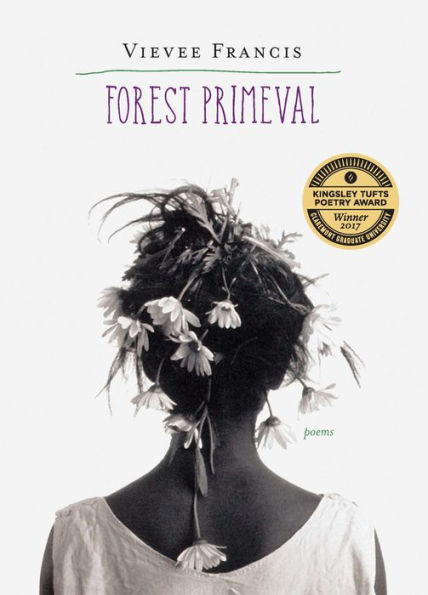
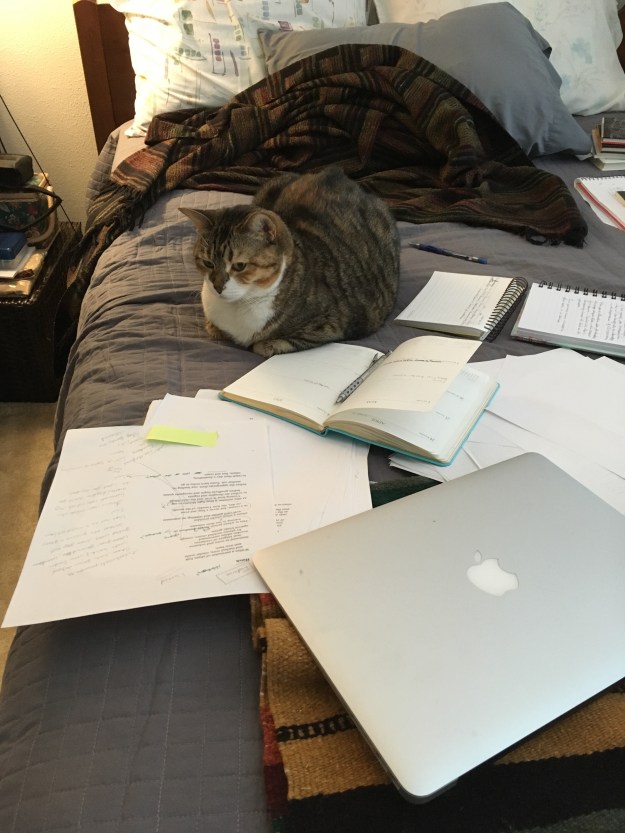
    What I’m Reading: Forest Primeval by Vievee Francis, finalist for the 2016 Pen Open Book Award. Besides sheer enjoyment, I am considering teaching poems from this book, or perhaps the entire collection, to students in my fall “Topics in Poetry: The Poem and The Fairy Tale” scheduled for fall 2025.

    What I’m Watching: The Regime on HBO (or Max or whatever it calls itself these days). I’m no critic of pop culture but find this series a satisfying escape from the news despite haunting similarities between politics in this show and those of America. I guess depictions of power and corruption with a hefty dose of insanity are fascinating.

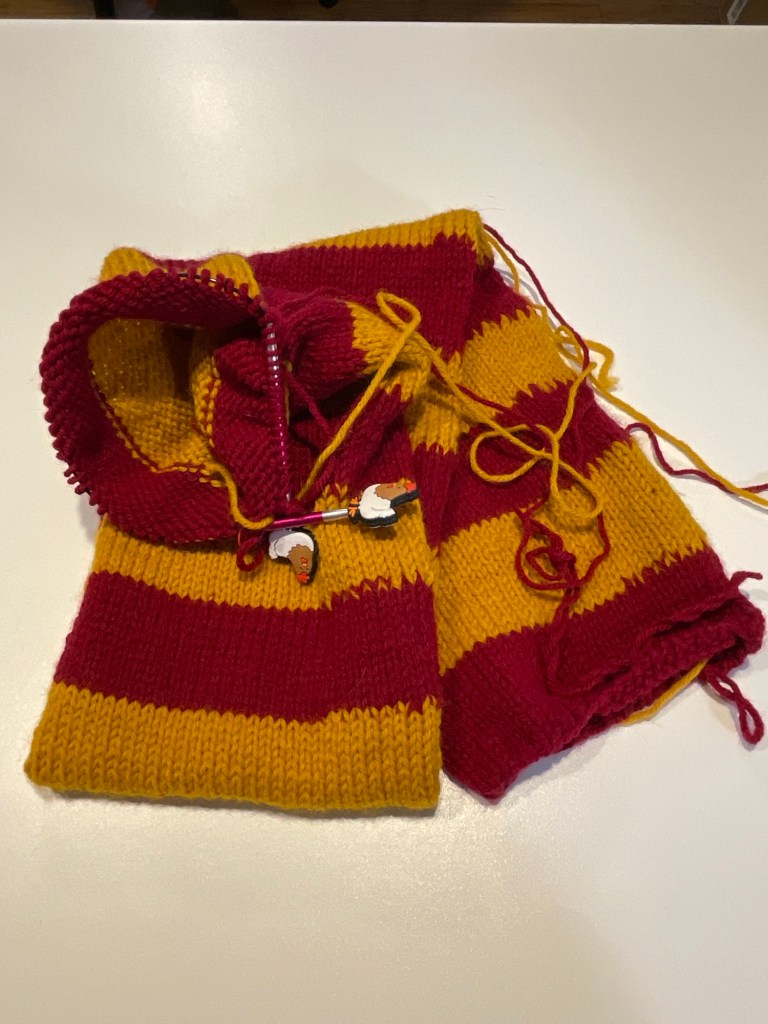
    What I’m Making: Harry Potter Gryffindor House scarf, knit in the round with Lion Brand Wool Ease acrylic and wool blend, cranberry and gold. Once finished and the tassels have been added, tails for color changes will be secure inside the tube. Once blocked, the color-change seams will be camouflaged.

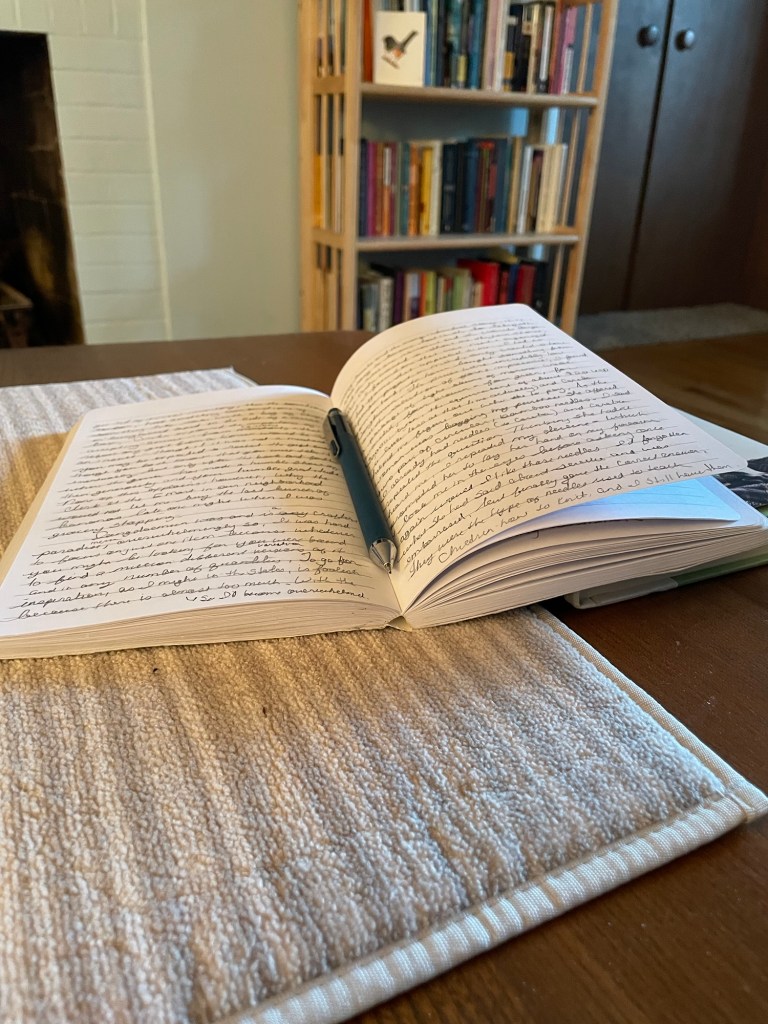
    What I’m Writing: Regular long hand journal entries for the sake of sanity, plenty of emails, course description for fall “Topics in Poetry” class, lesson plans for Intro to Poetry and Intro to CW classes, this blog, and a couple of essays that don’t seem to be going anywhere.

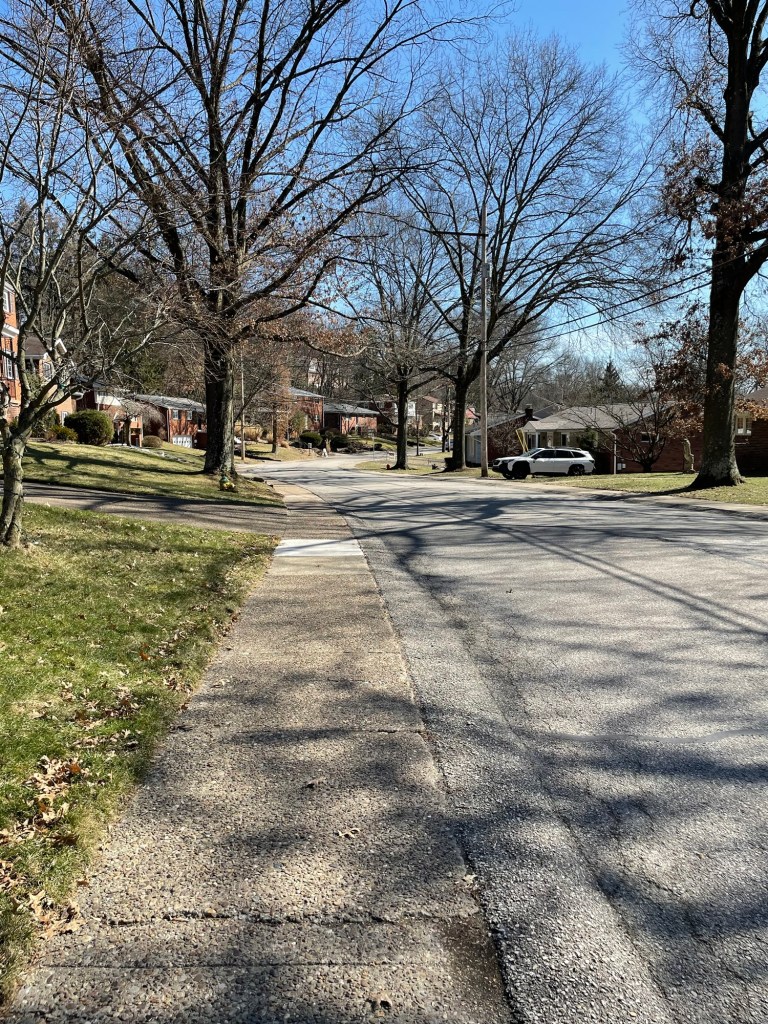
    What I am Looking Forward To: With the advent of warmer weather after months of a bitter cold Pittsburgh winter, I look forward to walking around the neighborhood. Before long the Forest Hills Farmers Market will resume and the local swimming pool will open.

  • Writers Conference of Northern Appalachia

    Today I drive to St. Francis University in Loretto, PA for this year’s WCoNA, my first time at this conference and my first conference of 2025. I am facilitating a generative writing workshop, which focuses on the intersection of place and of witness in poetry, scheduled for Saturday afternoon:

    Loretto is but 90 minutes away from Pittsburgh and driving through the late winter landscape will be a treat. The weatherman predicts precipitation that could manifest as either rain or snow, of which there has been plenty this year, but it’s not predicted to be much nor turn to ice. After the past six weeks of constant and escalating chaos, I welcome the opportunity to spend time with artists and writers focused on art and writing. With the exception of the pandemic, there has never been a more crucial time in life to create.

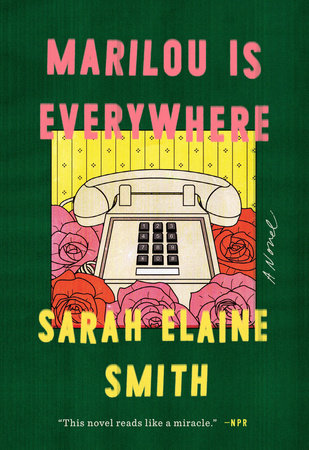
    The keynote for this year’s conference is Sarah Elaine Smith, author of the novel Marilou Is Everywhere (Riverhead Books, 2019) and the poetry collection I Live in a Hut (Cleveland State University Poetry Center, 2012). She will present Friday night.

    Here are brief descriptions of workshop sessions for which I’m registered:

    Special Friday Night Session, The Spirit and Essence of Northern Appalachia: Exploring Our Literary Identity – 06:00 PM: Featuring PJ Piccirillo, Sarah Elaine Smith, and Book of the Year short list recipients; moderated by the 2025 WCoNA Book of the Year Committee.

    Session One, Documenting the Places and People of Northern Appalachia – 10:10 AM: This panel features two poets from Central PA who have turned to writing documentary poetry, a deep tradition in American literature that combines the values of journalism with the techniques of creative writing to create work that tells truths through close attention to place and people. Julia Spicher Kasdorf will offer an introduction to the sub-genre and share examples of her own work in the fracking and farmer’s fields of Northern Appalachia. Abby Minor will share poems from her project that engages with the history and characters in her rural village. Participants will experiment with documentary exercises and discuss the pleasures and pitfalls of representing the places we come from.

    Session Two, Finding Your Muse in Northern Appalachia – 11:10 AM: Part reading, part generative workshop, this session will begin with a brief reading of new poetry collections by Judith Sornberger (The Book of Muses) and Marjorie Maddox (Small Empty Space) that showcase the people, places, and creatures of Appalachia. The authors, two veteran creative writing professors, will then lead the class in writing exercises based on references to Appalachia. Open to writers of both prose and poetry, this class will encourage participants to recognize, claim, and respond in writing to their own muses of Northern Appalachia.

    Session Three, Reading Writing, and Writing to Read – 01:15 PM: In this interactive workshop, you will begin to transform your written voice into something audible and embodied. We will begin by drawing lessons from writers who work in both performance and text. Then, we will focus on key elements of performance—such as time, vocal expression, and action-to understand how they can be instrumental in giving a dynamic, authentic reading. Group exercises will focus on: developing confidence as a speaker, responding to the environment, and practice strategies. Finally, we will cover tips for revising writing with reading / performance in mind.

    Session Four, Skipping this session to prepare – 02:15 PM

    Session Five, Landscapes of Witness: Poetry Writing in Northern Appalachia – 03:20 PM: This poetry workshop will focus on the intersection of place and witness in the context of Northern Appalachia, a region that is known for its deep history, complex landscapes, and multifaceted communities—each element contributing to a vibrant, rich story of resilience, memory, and identity. Through writing prompts, discussion, and close readings of relevant poetry, participants will explore how the land and its history shape—and are shaped by—observation and the act of witnessing. Participants will consider the environment around them, draw on personal experiences, and explore collective histories through the lens of poetry.

  • Let it go on and on and on now baby by Kenneth Pobo                

    supremesHolland-Dozier-Holland

    At fourteen I loved a boy who
    kept talking about The Supremes.
    He loved other singing groups too,
    but said that even in his dreams
    they’d sing “You Keep Me Hangin’ On”
    or “Love Is Here And Now You’re Gone.”
    Back then, we disagreed.  I’d pass
    out (almost) hearing Mama Cass.

    Our phone calls grew shorter.  We met
    other friends to play with.  I still
    miss him—“I Hear A Symphony”
    blasts from my car.  I can’t forget
    our secret touches, the first thrill
    of lying body to body.


    Kenneth Pobo (he/him) is the author of twenty-one chapbooks and nine full-length collections.  Recent books include Bend of Quiet (Blue Light Press), Loplop in a Red City (Circling Rivers), Lilac And Sawdust (Meadowlark Press), and Lavender Fire, Lavender Rose (BrickHouse Books). Opening is forthcoming from Rectos Y Versos Editions.

  • Seringo by Charles Weld

    https://www.allaboutbirds.org/guide/Savannah_Sparrow/id

    For my dad an opal wasn’t a stone, but an Osprey
    Packing A Lunch. “Opal, 2 o’clock,” is something
    he might have announced, binoculars raised. TV,
    in the everyday slang of his birding culture,
    wasn’t television, but short for turkey vulture.
    Mo do was a mourning dove—ro do, a pigeon.
    On today’s date, in the year he was my age,
    he saw a Robin, Crow, Snow Bunting, Starling,
    Canvasback, Goldeneye. I turn page after page
    of lists in notebooks he penciled sightings in.
    Sometimes I read Thoreau the same way. His day
    on today’s date. Chronology’s scaffold falls away.
    A Savannah Sparrow sings, and I hear seringo—
    his word for the bird’s song, still carrying its cargo.


    Charles Weld’s poetry has been collected in two chapbooks (Country I Would Settle In, Pudding House, 2004; and Who Cooks For You? Kattywompus Press, 2012) and has been published in many small magazines. A mental health counselor, he lives in the Finger Lakes region of upstate New York.

  • Nineteen Blooms by Nancy K. Jentsch

    For Alexandria, Amerie, Tess, Jose, Miranda, Maite, Makenna, Xavier, Eliana, Layla, Elihana, Alithia, Jackie, Annabelle, Jailah, Jayce, Uziyah, Nevaeh, and Rojelio 

    Next to the pasture stands
    a handful of blue-eyed grass
    my son mowed around.
    I counted nineteen blooms
    and stopped.

    Stars of fragile azure twirl
    carefree in the wind
    like we wish the children
    were doing now—hair
    catching the birds’ trills, toes
    hugged by loving soil, clothes
    trimmed with fourth-grade giggles.

    The petal cups close
    at dusk—far too soon.


    Nancy K. Jentsch’s poetry has appeared recently in The Pine Cone Review, Scissortail Quarterly, and Verse-Virtual. Her chapbook, Authorized Visitors, was published in 2017 (Cherry Grove Collections) and Between the Rows, her first poetry collection, is forthcoming from Shanti Arts. More information is available on her website: https://jentsch8.wixsite.com/my-site.

  • Blue by Anne Whitehouse

    Dusty, worn blue,
    sun-faded house.
    The ghost of the sea
    breathes over it at night,
    leaving a taste of salt.

    When I hung up the clothes
    I had brought with me,
    I saw they all
    were shades of blue.

    This is the color
    I come back to,
    the very hue
    of my soul.


    Anne Whitehouse’s first appearance in Zingara Poet was in 2014. “Blue” is her seventh poem to be published in its pages. Her poetry collections include Blessings and Curses (Poetic Matrix Press)and The RefrainMeteor Showerand Outside from the Insideall published by Dos Madres Press. Ethel Zine and Micro Press have published two chapbooks, Surrealist Muse (about Leonora Carrington) and Escaping Lee Miller. Frida is forthcoming. www.annewhitehouse.com

  • The Parable of the Mustard Seed, the Chanteuse and Wild Rice by Libby Bernardine

    Can we believe the mustard seed growseidt piaf
    into a large tree producing seed for the birds
    to gather—the ever-present sparrows build
    their nest, shake down the seeds then born
    by wind—many are fed

    The French called Edith Piaf la mone piaf,
    the Little Sparrow, child raised in poverty
    in a brothel, sang her chansons on a street
    corner, and once I saw her at Versailles
    in New York—who was this voice

    in this little frame belting out
    Padam Padam Padam, fist clenched
    in pounding rhythm, her voice
    from across the sea sending
    her song of love, La Vie En Rose

    Wild rice across the street gracefully
    dies, scatters seeds for any of the marsh folk
    to feed as it ages—the sparrow
    chit, chit whistling over near three red roses
    blooming on a bush, three years dormant

    I hear the faint sound of a cricket—
    I call it to me, the faith of its song
    I send it out among the grains.


    Libby Bernardin is the author of Stones Ripe for Sowing (2018, Press 53) and two Chapbooks, one The Book of Myth, chosen by Kwame Dawes. Publications have appeared in The Asheville Poetry Review, Southern Poetry Review, and Kakalak. She has received awards from the Poetry Society of South Carolina, and the North Carolina Poetry Society.

  • Wind Chimes by Michael Brockley

    wind chimesFrom your seat in a leather desk chair, you gaze out the window in your writing room. The wind chimes you bought when you moved into this house have lost the clapper during the past winter, and the black enamel has eroded, leaving the silver tubes exposed to the havoc of blizzards and storms. You have not heard the instrument’s  melodies since your last German shepherd passed. In mid afternoon a finch alights on the aging deck to perch on a post beside the chimes in order to survey the sky for red-tailed hawks and the terrain for cats before flying into a viburnum. After this year’s finch flutters away, you continue to read from Moby Dick and an anthology of movie poems. Films you would call them, if you were a cineast. For weeks, you’ve wondered if the white whale has been retired from the literary canon as you drew near to the end of the book without any of the ambushes you would expect from Jaws or the squid attacks in Twenty Thousand Leagues Under the Sea. On your porch the finch skips back into the sunlight, and you notice its feathers shedding February browns in favor of the radiance from an April sunbeam. The bird chirps a song you can hear through closed storm windows. Just such a finch has visited your springs throughout the lives of all the German shepherds you have companioned. Perhaps the absence of the Leviathan in your adventures turns you toward an enigma that might be kindness. Toward a silent conundrum that might even be joy.


    Michael Brockley is a retired school psychologist who lives in Muncie, Indiana. His poems have appeared in Fatal Flaw, Woolgathering Review, and Visiting Bob: Poems Inspired by the Life and Work of Bob Dylan. Poems are forthcoming in Flying Island, Last Stanza Poetry Journal, and the Indianapolis Anthology.