“To write about poetry is to believe that there are answers to some of the questions poets ask of their art, or at least that there are reasons for writing it.”
~Michael Weigers
Consider character traits and habits you have inherited, genetic or modeled. As you do so, make two lists. One for “positive traits and habits” you have inherited and feel grateful for having, the second for “negative traits and habits” that you could live without. These lists will be the basis for a poem that explores both positive and negative personality traits and habits.
When composing your poems, consider addressing family members by name or relationship who exhibit these traits or habits and passed them on to you; let them know how you feel about inheriting said traits.
You can use such verbiage as “You are responsible” or “I hold you accountable for” for the traits you could live without and “I am thankful/grateful for” for the traits you’re rather glad you have.
As an extra challenge, include and explore at least one trait for which you are both dismayed and glad to have.
For today’s prompt, write a poem inspired by one (or more) of these quotes about time. Feel free to use the quote as an epigraph for your poem.
“The past is now part of my future. The present is well out hand” Ian Curtis
“The timeless present is not merely a moment in time, but a quality of awareness that transcends time itself. It is the realization that the moment is, in fact, the only reality we directly experience.” ~Everyday Buddhism
“The past is never dead. It’s not even past.” ~William Faulkner
“Time flies over us, but leaves its shadow behind.” ~Nathaniel Hawthorn
“Time does not pass, it continues.” ~Marty Rubin
“Arboreal-time is cyclical, recurrent, perennial; the past and the future breathe within this moment, and the present does not necessarily flow in one direction; instead it draws circles within circles, like the rings you find when you cut us down.” ~Elif Shafak

Use the following nouns and verbs in a poem (you can use all or some, but aim for at least five words from each list:
If this particular group of words don’t spark your creativity, try one of several “random word” generators available on the internet to produce different set.
Just search “random word generator” or even “random noun generator” or “random verb generator” to find one you’d like to try.
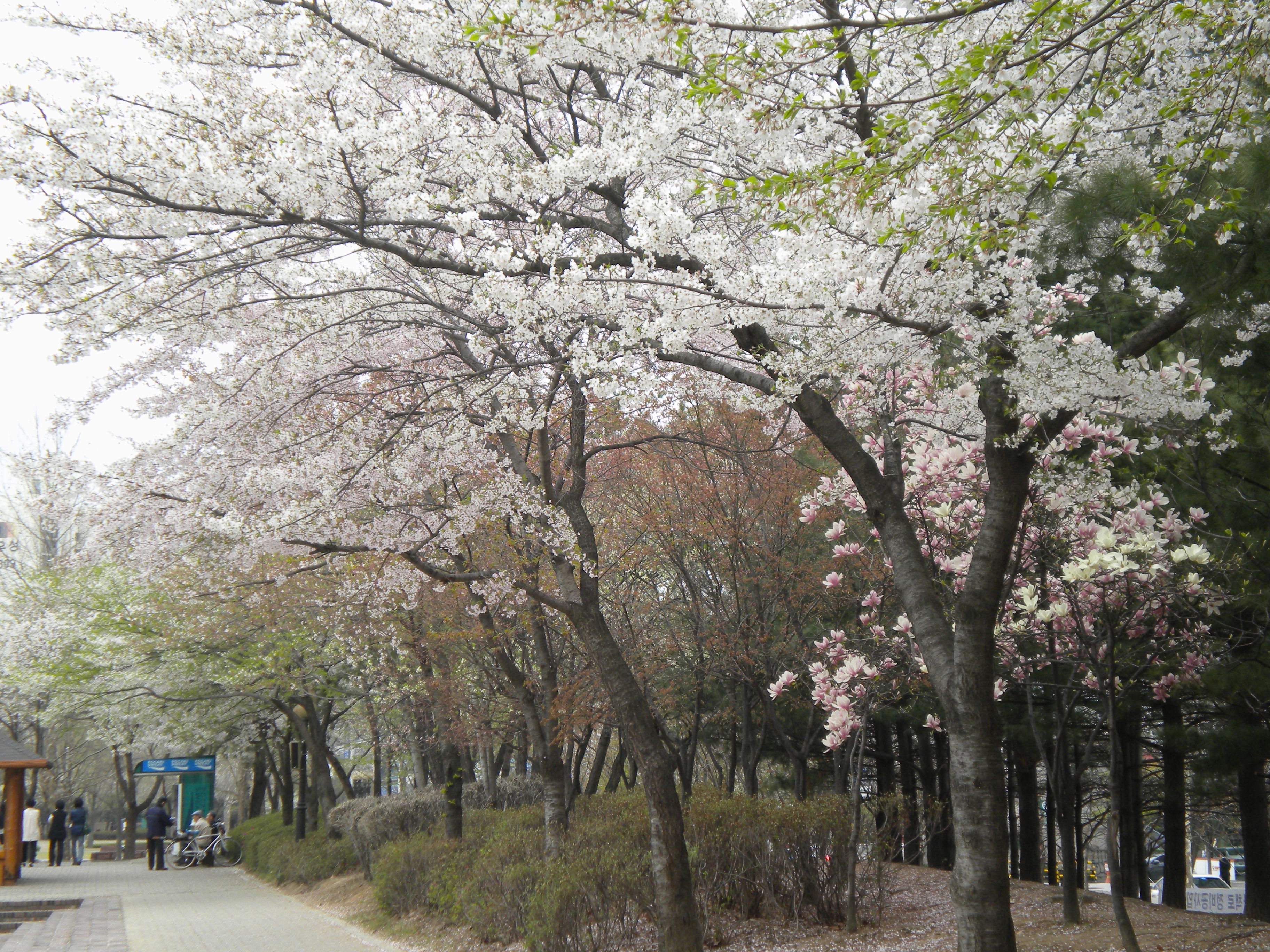 Spring’s tumult stirs the air and moves the poet’s heart. It was T.S. Eliot who lamented:
April is the cruelest month, breeding
Lilacs out of the dead land, mixing
Memory and desire, stirring
Dull roots with spring rain.
Centuries before Eliot’s angst Chaucer wrote this of spring:
Whan that Aprill, with his shoures soote
The drought of March hath perced to the roote
and bathed every veyne in swich licour;
of which vertu engendred is the flour
For this week’s prompt, write the beginning, or prologue, of an imaginary epic poem that evokes the feeling and imagery of Spring. Be wildly imaginative.
This next Poetry Pick is pulled from Juan Morales’ book of poems “FRIDAY and the Year That Followed,” winner of the 2005 Rhea & Seymour Gorsline Poetry Competition.
HOW MY FATHER LEARNED ENGLISH
382nd Hospital, Japan 1952
The wounded who could not speak English
congregated around the bedridden every morning.
Manuel, the nurse from some other ward,
taught my father and others English
word by word. Sometimes, phrases, the sloppy
repeated English made sense — Because es porque.
Yo soy es I am. I am. Otra vez, diganme.–
Bee cause. Pain. I am in pain.
English moved my father’s tongue unlike Spanish.
It stuck in his mouth, stumbled past his teeth.
He dreamed he forgot Spanish and his tongue
withered away. My father never told anyone
about this or the scratching fear of his legs,
under bandages and scars, never walking again.
He didn’t have words in English yet.
From its initial lines to its closing stanza, Morales’ book of poems are nothing short of compelling. Sometimes surreal, other times magical, these poems evoke moods akin to the visual art of Frida Kahlo. It is a staple for any lover of the arts.
Juan J. Morales is currently the Director of Creative Writing and Assistant Professor at Colorado State University-Pueblo. He is curator of the Southern Colorado Reading Series as wells as the student literary magazine, Tempered Steel.
“Friday and the Year That Followed” (ISBN 9780977197354) is available for purchase at Amazon
 The Zingara Project